In today’s fast-paced world, where energy efficiency and home comfort go hand in hand, innovations in technology are transforming the way we manage our living spaces. One such advancement is the dual thermostat system, a revolutionary approach to regulating indoor temperatures. This article explores the concept, benefits, and potential drawbacks of dual thermostats, shedding light on how they contribute to both energy savings and personalized comfort.
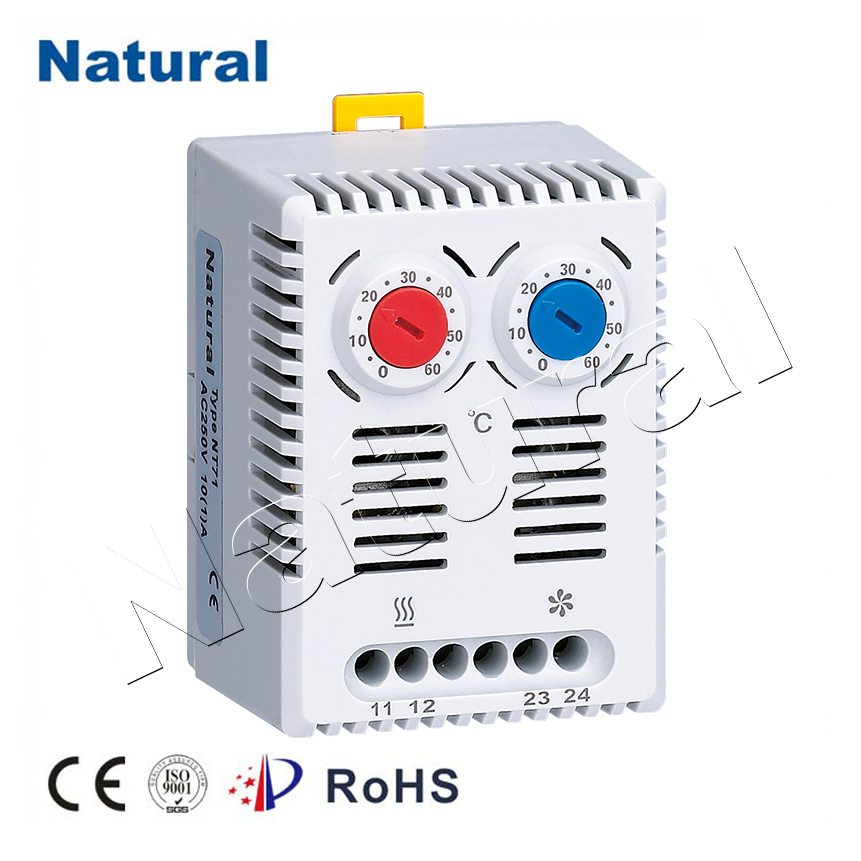
Understanding Dual Thermostats: A dual thermostat system, also known as a two-stage thermostat, is designed to provide enhanced control over a heating, ventilation, and air conditioning (HVAC) system. Unlike traditional single-stage thermostats that have only two settings – on and off – dual thermostats offer two heating or cooling stages. This means that the system can operate at different levels of intensity based on the temperature discrepancy between the setpoint and the actual room temperature. The Benefits: Energy Efficiency:One of the primary advantages of a dual thermostat system is its energy-saving capabilities. By having two stages of operation, the system can operate at a lower capacity during milder weather conditions, consuming less energy. This prevents frequent cycling on and off, which is common with single-stage systems, ultimately leading to reduced energy consumption and lower utility bills. Enhanced Comfort:Dual thermostats excel at maintaining a consistent indoor temperature. When the temperature deviates slightly from the desired setpoint, the system can engage the first stage, running at a lower capacity to bring the room back to the set temperature without sudden temperature fluctuations. This gentle approach ensures a more comfortable living environment for occupants. Temperature Precision:Dual thermostats allow for finer temperature control. When the temperature difference between the room and the setpoint is more significant, the second stage activates, providing a higher level of heating or cooling to reach the desired temperature efficiently. Potential Drawbacks: Initial Cost:While dual thermostat systems offer numerous benefits, their initial cost can be higher compared to traditional single-stage thermostats. However, it’s essential to consider the long-term savings on energy bills, which can often offset the initial investment. Complexity:The operation of dual thermostats is more complex than single-stage ones, which might require professional installation and maintenance. Homeowners need to be familiar with the system’s settings and programming options to maximize its efficiency. Compatibility:Upgrading to a dual thermostat system might require compatibility checks with your existing HVAC equipment. Not all systems are suitable for dual-stage operation, so it’s advisable to consult an HVAC professional before making the switch. Tips for Optimal Use: Programming:Take advantage of the programming features of your dual thermostat. Set different temperature profiles for different times of the day to optimize comfort and energy efficiency. Regular Maintenance:Just like any HVAC system, dual thermostats require regular maintenance. Clean or replace filters, and ensure that the system is calibrated correctly for accurate temperature readings. Consult Professionals:If you’re considering upgrading to a dual thermostat system, consult HVAC professionals. They can guide you on compatibility, installation, and maintenance to ensure the system functions effectively. Conclusion: The dual thermostat system represents a significant leap forward in the realm of home temperature regulation. With its energy-saving benefits, enhanced comfort, and precise temperature control, it’s an ideal choice for those who prioritize efficiency and a cozy living space. While there might be initial challenges in terms of cost and complexity, the long-term advantages make dual thermostats a smart investment in the modern pursuit of balanced living.