The Compact Solenoid Valve has become an essential component in a wide range of industries, from automation to medical devices. With its small size, energy efficiency, and fast response time, this valve type has changed the way fluid and gas flow control is managed in numerous applications. In this article, we will explore the features, working principles, applications, and advantages of compact solenoid valves, shedding light on why they are so crucial in today’s high-tech world.
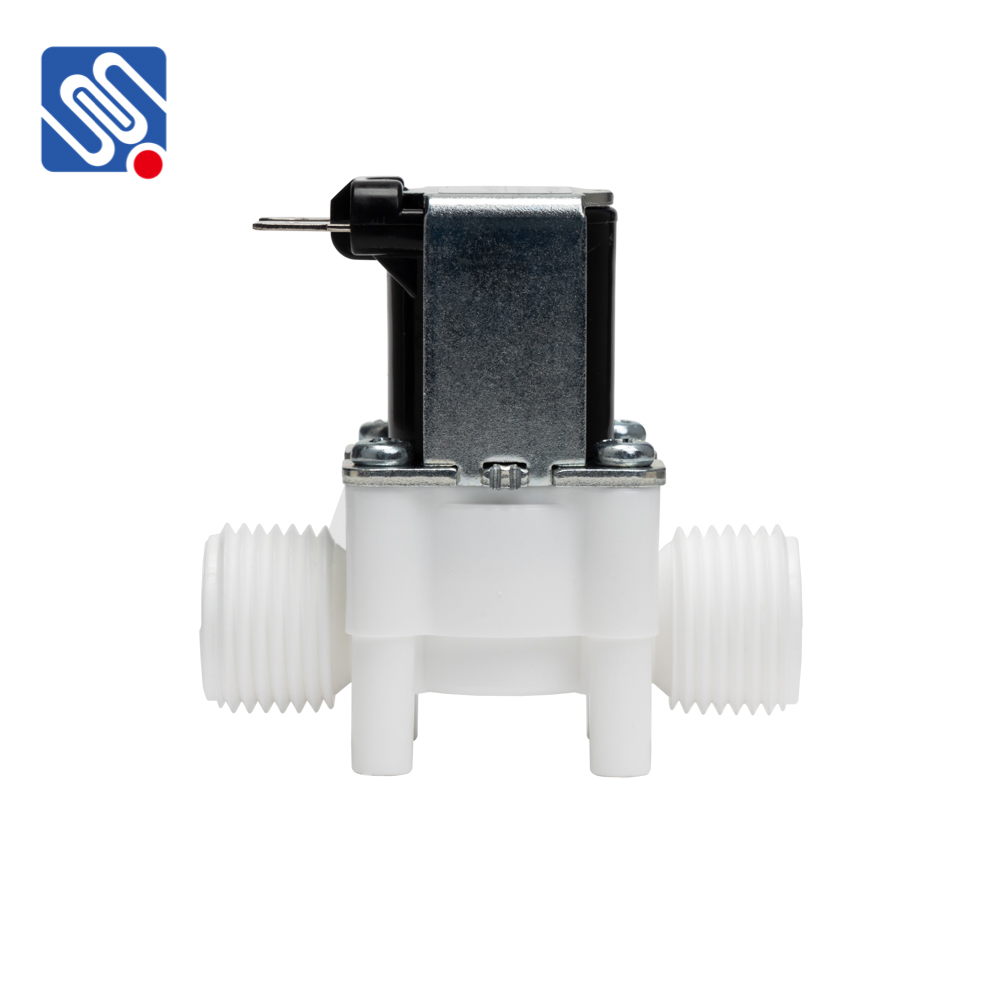
What is a Compact Solenoid Valve? A Compact Solenoid Valve is an electromechanical device that regulates the flow of fluids or gases through pipes and systems by using an electromagnetic coil to open or close a valve. The “compact” part of its name refers to its small size, which allows it to be used in applications where space is limited. The valve works by converting electrical energy into mechanical motion, which operates the valve mechanism, either opening or closing the flow passage, depending on the system’s requirements. These valves are usually composed of a solenoid (the electromagnetic coil), a valve body, and a valve seat with a movable plunger or diaphragm. When an electric current flows through the coil, it generates a magnetic field, which actuates the valve mechanism. This process enables the valve to control the flow of liquids or gases in industrial processes, automation systems, or consumer devices.