Introduction
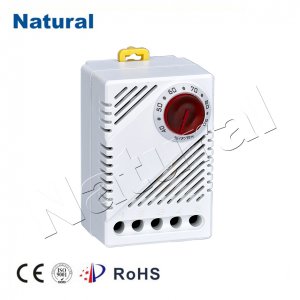
In the realm of modern home automation, the evolution of technology continues to reshape the way we interact with our living spaces. Among the many innovations in this field, the hygrostat thermostat stands out as a remarkable device that combines the features of a traditional thermostat with humidity-sensing capabilities. This article delves into the functionalities and benefits of hygrostat thermostats, shedding light on how they contribute to a more comfortable and energy-efficient living environment. Hygrostat Thermostats: An Overview A hygrostat thermostat is a sophisticated device designed to regulate both temperature and humidity levels within indoor spaces. Unlike conventional thermostats that solely focus on temperature control, hygrostat thermostats incorporate humidity sensors that allow them to respond not only to temperature changes but also to fluctuations in humidity. This dual functionality empowers users to achieve an optimal balance of temperature and humidity, ensuring a more pleasant and healthy living environment. Functionality and Features The primary function of a hygrostat thermostat is to maintain a predefined temperature and humidity range. These devices are equipped with sensors that continually monitor the indoor conditions. When the temperature or humidity levels deviate from the set parameters, the hygrostat thermostat activates the heating, cooling, or humidification systems accordingly. One of the key advantages of hygrostat thermostats is their ability to prevent excessive humidity or dryness in indoor spaces. High humidity levels can lead to mold growth and discomfort, while low humidity can cause respiratory issues and dry skin. By incorporating humidity sensing, hygrostat thermostats help maintain an ideal balance, creating a healthier and more comfortable environment. Energy Efficiency and Cost Savings Hygrostat thermostats contribute significantly to energy efficiency. By integrating humidity sensing, these devices ensure that heating and cooling systems operate optimally. For instance, during the summer months, if the humidity level is high, the thermostat might focus on dehumidification before cooling the air, as drier air feels cooler and requires less energy for cooling. This intelligent operation reduces energy consumption and subsequently lowers utility bills. In winter, when the air tends to be drier, hygrostat thermostats can work with humidification systems to add moisture to the air. Moist air feels warmer, allowing users to set their thermostats to slightly lower temperatures without sacrificing comfort. This results in energy savings without compromising indoor comfort. Customization and Control Most hygrostat thermostats come with programmable settings that allow users to customize temperature and humidity preferences based on their comfort levels and seasonal changes. Many models also have smartphone connectivity, enabling remote control and monitoring. This feature is particularly beneficial for travelers, as it allows them to adjust settings while away from home, ensuring they return to a comfortable environment. Conclusion In the ever-evolving landscape of home automation, hygrostat thermostats have emerged as a pioneering solution that addresses both temperature and humidity concerns. By combining the functionalities of traditional thermostats with humidity-sensing capabilities, these devices contribute to a healthier, more comfortable, and energy-efficient living environment. As technology continues to advance, hygrostat thermostats are likely to play an increasingly integral role in shaping the future of home climate control.