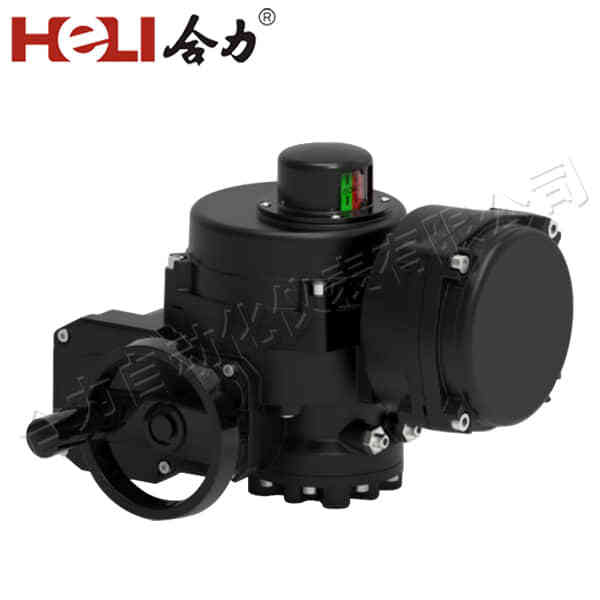
Electric actuator valves have become a cornerstone of modern industrial automation systems, playing a crucial role in the precise control of fluid flow in various applications. These valves, powered by electric actuators, offer significant advantages over traditional mechanical valve systems, especially in terms of automation, precision, and ease of integration into digital control systems. This article explores the fundamentals, benefits, and applications of electric actuator valves, as well as the factors to consider when choosing the right system for specific needs.
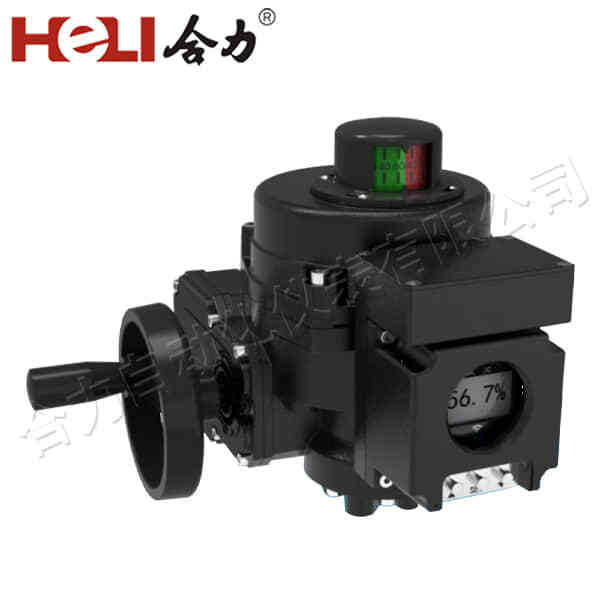
What are Electric Actuator Valves?
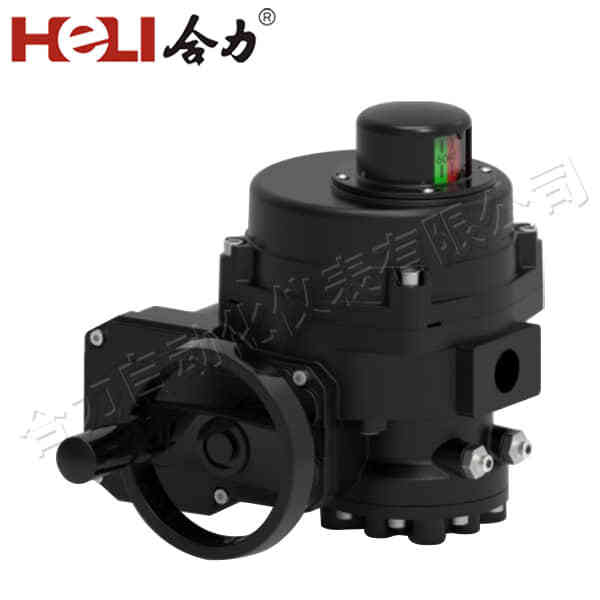
Electric actuator valves are valve systems controlled by an electric actuator, which is a device that converts electrical energy into mechanical movement. The actuator, usually equipped with an electric motor, drives the valve to open or close or adjust its position, allowing for accurate regulation of fluid flow, pressure, or temperature. These valves are widely used in industries such as oil and gas, water treatment, HVAC (heating, ventilation, and air conditioning), and chemical processing, where they automate critical processes and ensure optimal performance. Electric actuators are often paired with a variety of valve types, including ball valves, butterfly valves, globe valves, and gate valves, depending on the requirements of the system. The actuator works by receiving an electrical signal (such as 4-20 mA, 0-10 V, or a digital signal) from a control system, like a PLC (Programmable Logic Controller) or DCS (Distributed Control System). This signal directs the actuator to move the valve to a specific position, thus regulating the flow of fluids within a pipeline.