Solid State Relays (SSRs) are a pivotal component in modern electrical systems, playing an essential role in automation and control applications. Unlike traditional mechanical relays, SSRs operate without any moving parts, making them a more reliable and durable solution for switching electrical circuits. This article will explore the features, advantages, and common applications of Solid State Relays, highlighting why they are becoming increasingly popular in industrial, commercial, and residential settings.
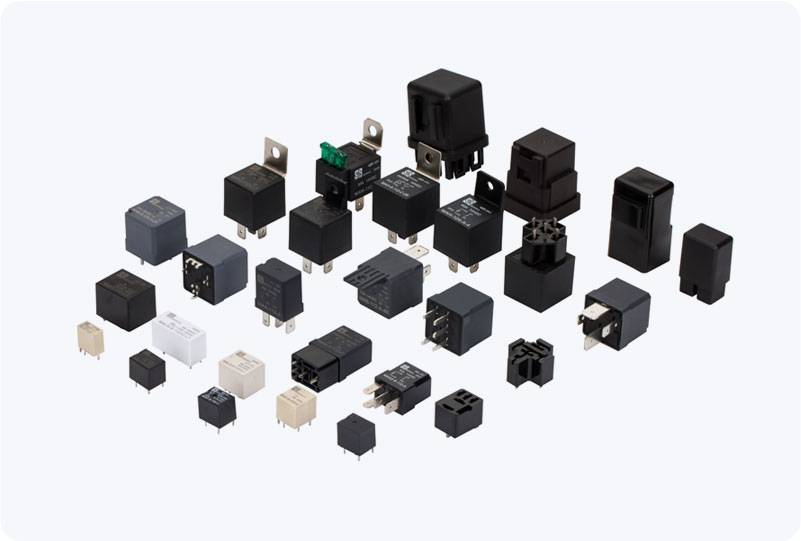
What is a Solid State Relay? A Solid State Relay is an electronic switching device that controls the flow of electrical power without any mechanical components. It typically uses semiconductor devices such as triacs, thyristors, or MOSFETs (Metal-Oxide-Semiconductor Field-Effect Transistors) to perform the switching function. These components allow SSRs to open and close circuits without the physical contact of metal contacts, which is common in traditional electromechanical relays. How Do Solid State Relays Work? SSRs operate based on the principles of semiconductor electronics. When a control voltage is applied to the SSR, it activates the internal semiconductor components, which, in turn, complete or break the circuit to the load side. For instance, a common type of SSR uses a light-emitting diode (LED) to trigger a phototransistor or photodiode, which then controls the switching operation of the relay. This process occurs at a much faster rate than a mechanical relay, offering improved performance in high-speed applications.