In modern industrial automation and fluid control, PVC solenoid valves play an indispensable role. These valves combine the benefits of electric actuation with the unique properties of polyvinyl chloride (PVC) to offer a versatile solution for various applications. In this article, we will explore the fundamental principles, advantages, applications, and considerations associated with PVC solenoid valves.
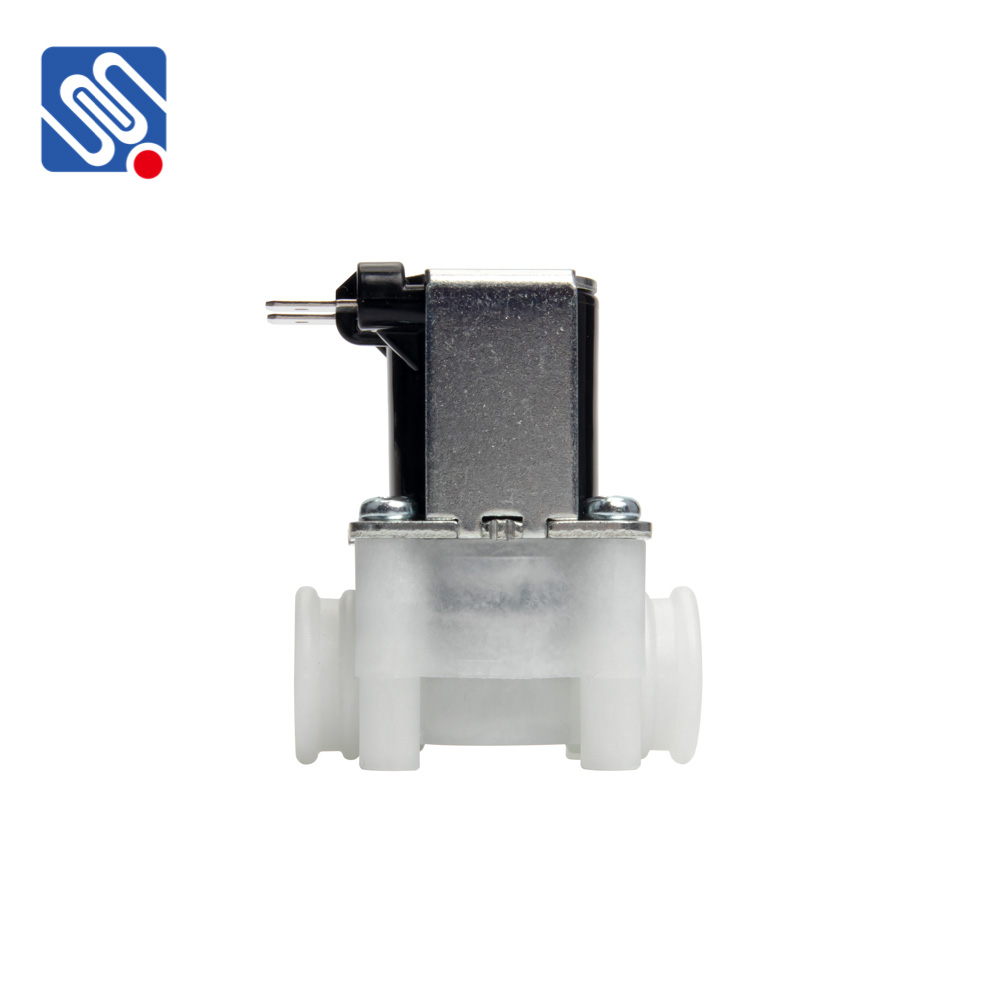
Understanding PVC Solenoid Valves A PVC solenoid valve operates on the principle of electromagnetism. When an electric current flows through the coil of the solenoid, it generates a magnetic field that moves a plunger or armature. This action either opens or closes the valve, allowing or restricting the flow of fluid. The use of PVC as a construction material adds several advantageous characteristics, making these valves suitable for a wide range of applications. Advantages of PVC Solenoid Valves 1. Corrosion Resistance: One of the most significant benefits of PVC solenoid valves is their exceptional resistance to corrosion. PVC is inherently resistant to most chemicals, acids, and bases, making it ideal for applications in aggressive environments, such as chemical processing and wastewater treatment.