PVC solenoid valves have become a popular choice in various industrial applications due to their cost-effectiveness, durability, and corrosion resistance. These valves play a crucial role in controlling the flow of liquids or gases in systems that require automation and precise regulation. In this article, we will explore what PVC solenoid valves are, their benefits, working principles, and the industries that rely on them.
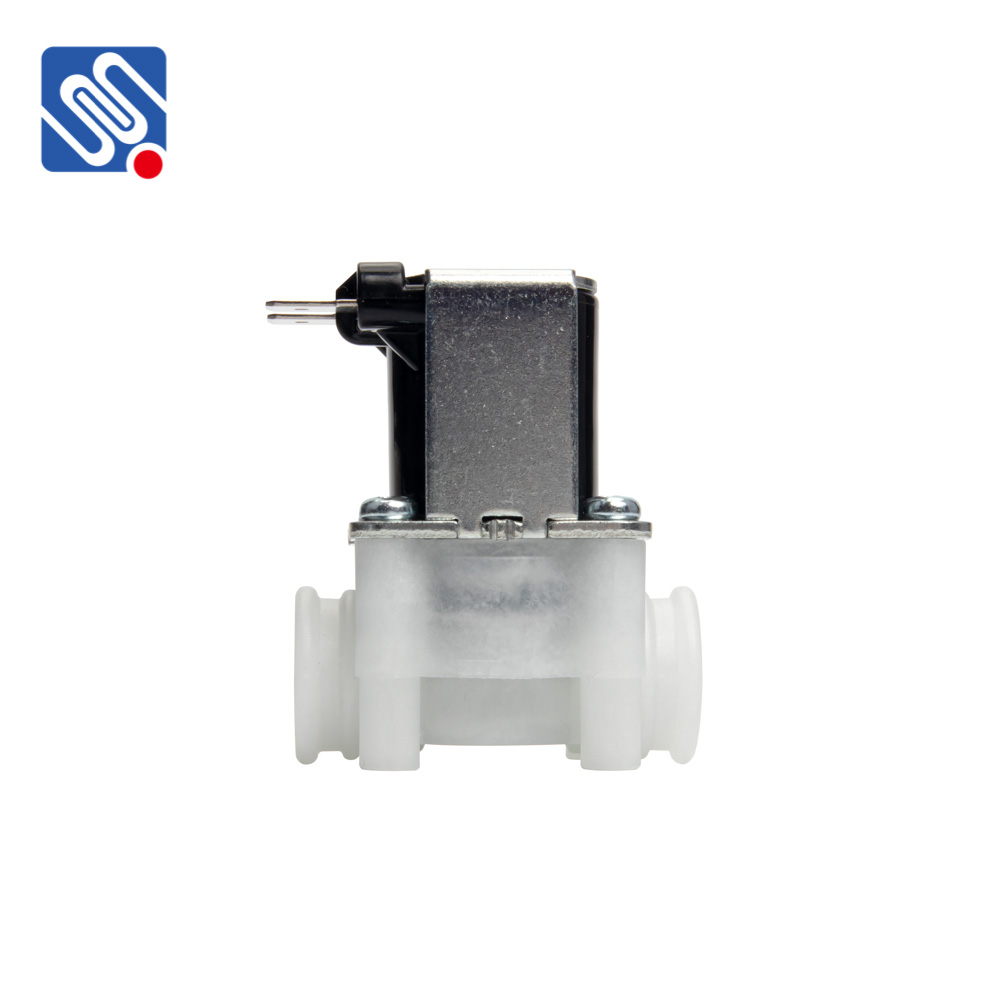
What is a PVC Solenoid Valve? A PVC solenoid valve is an electromechanical device used to control the flow of fluid in a pipeline. The valve consists of a solenoid coil, which, when energized, creates a magnetic field that moves a plunger or valve stem, opening or closing the valve. PVC, or polyvinyl chloride, is used in the construction of the valve body, making it an excellent choice for applications involving corrosive fluids or environments where chemical resistance is essential. PVC solenoid valves are typically used to control the flow of water, chemicals, air, and other fluids.
Key Benefits of PVC Solenoid Valves