Introduction
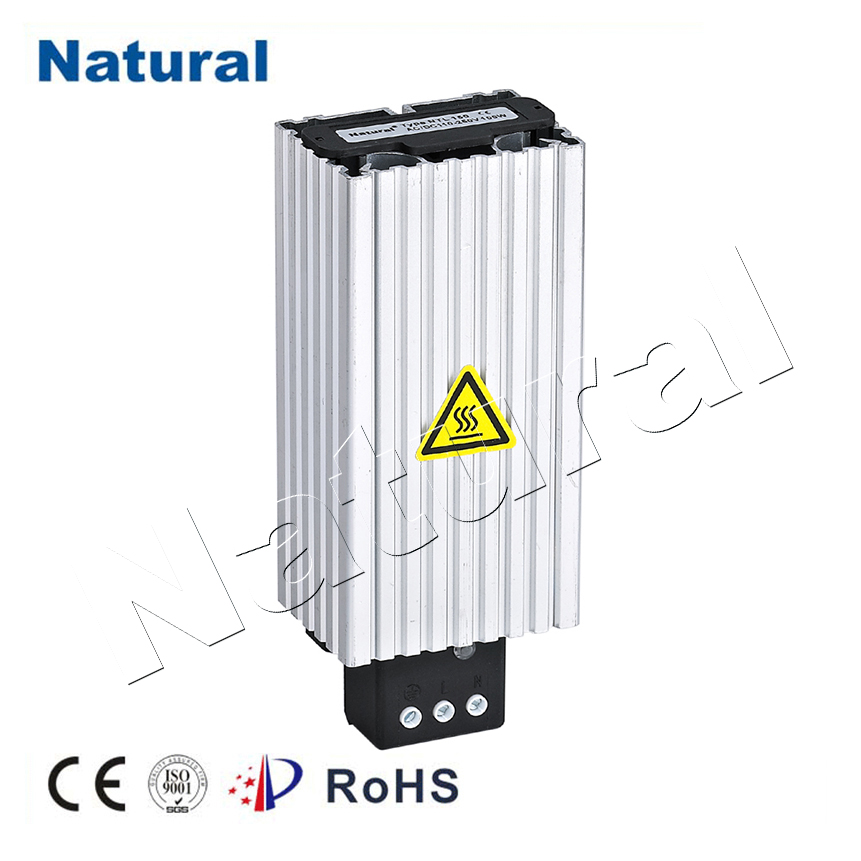
In the realm of modern technology, innovation continually pushes the boundaries of what is possible. One such innovation that has gained prominence in various industries is the aluminum heater. This article delves into the advantages and applications of aluminum heaters, shedding light on their diverse uses and contributions to enhancing efficiency and sustainability across different sectors. Advantages of Aluminum Heaters Excellent Heat Transfer Efficiency: Aluminum, known for its high thermal conductivity, makes for an ideal material in heaters. Its efficient heat transfer capabilities allow for quick and uniform heating, minimizing energy wastage and promoting energy efficiency. Lightweight and Durable: Aluminum is lightweight yet robust, making it a preferred choice for heater construction. Its durability ensures a long lifespan, reducing the need for frequent replacements and contributing to sustainability efforts. Corrosion Resistance: Aluminum naturally forms a protective oxide layer that shields it from corrosion. This inherent resistance to rust and deterioration extends the heater’s longevity, particularly in humid or corrosive environments. Rapid Heating and Cooling: Aluminum heaters can heat up and cool down rapidly due to their excellent thermal conductivity. This characteristic is advantageous in applications where precise temperature control and rapid response times are critical. Versatility in Design: Aluminum’s malleability allows for versatile design options. Heaters can be crafted into various shapes and sizes, conforming to the specific requirements of different applications. Applications of Aluminum Heaters Industrial Processes: Aluminum heaters find extensive use in industrial processes such as plastics molding, extrusion, and die-casting. Their rapid heating and cooling capabilities contribute to efficient production cycles and consistent product quality. Automotive Sector: Automotive manufacturing relies on aluminum heaters for tasks like pre-heating components before assembly, curing coatings, and shaping materials. The lightweight nature of aluminum aids in reducing the overall weight of vehicles, enhancing fuel efficiency. Medical Equipment: Aluminum heaters play a crucial role in medical equipment, including sterilization processes and diagnostic tools. Their precision heating contributes to reliable and accurate medical procedures. Aerospace Industry: The aerospace sector benefits from aluminum heaters in applications like composite material curing, ensuring the structural integrity of components used in aircraft and spacecraft. The lightweight nature of aluminum aligns with the industry’s focus on weight reduction. Home Appliances: Aluminum heaters are present in various household appliances such as ovens, toasters, and space heaters. Their quick heating and energy efficiency enhance the performance of these appliances while minimizing energy consumption. Renewable Energy: In renewable energy systems like solar water heaters, aluminum heaters assist in heating water or fluids efficiently. Their corrosion resistance ensures longevity even in outdoor installations. Conclusion The rise of aluminum heaters marks a significant step forward in heating technology. Their advantages, including excellent heat transfer efficiency, lightweight durability, corrosion resistance, and rapid heating and cooling, make them an essential component across a wide range of applications. From industrial processes to medical equipment, and from aerospace technology to renewable energy systems, aluminum heaters contribute to increased efficiency, reduced energy consumption, and sustainable development. As technology continues to evolve, aluminum heaters are set to remain a crucial element in shaping a more efficient and sustainable future.