Introduction
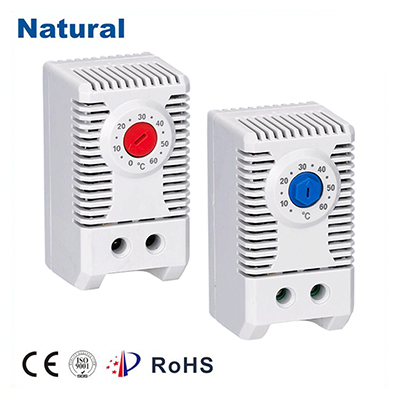
In the ever-evolving landscape of home comfort technology, automatic temperature control thermostats have emerged as a revolutionary tool. These devices offer homeowners the convenience of regulating indoor temperatures with precision and efficiency. This article delves into the significance, working mechanisms, benefits, and future potential of automatic temperature control thermostats. The Significance of Automatic Temperature Control Thermostats Gone are the days of manually adjusting thermostats multiple times a day to maintain a comfortable indoor environment. Automatic temperature control thermostats, often referred to as smart thermostats, have transformed the way we manage heating and cooling systems. These thermostats utilize cutting-edge technology, including sensors, connectivity features, and advanced algorithms, to optimize indoor comfort while minimizing energy consumption. How They Work At the core of automatic temperature control thermostats lies their ability to adapt to the daily routines and preferences of homeowners. These devices incorporate motion sensors and learn user behavior patterns over time. As users interact with the thermostat—making adjustments, setting temperatures, or even leaving the house—the thermostat’s algorithms analyze this data to create personalized temperature schedules. This means that the thermostat can proactively adjust the indoor temperature based on when the occupants are present or absent, ensuring optimal comfort and energy efficiency. Benefits Galore Energy Efficiency:One of the most significant advantages of automatic temperature control thermostats is their ability to save energy. By intelligently managing heating and cooling cycles, these thermostats can reduce energy consumption, leading to lower utility bills and a smaller carbon footprint. Convenience:With remote access through smartphone apps or voice assistants, homeowners can control their thermostats from anywhere. Whether you’re at work, on vacation, or simply lounging on the couch, you can easily adjust the temperature to your liking. Learning Capability:Smart thermostats “learn” from your habits and preferences, adapting to your lifestyle over time. This adaptability ensures that the temperature is always comfortable without requiring constant manual adjustments. Optimized Comfort:Automatic temperature control thermostats provide consistent and optimized comfort. They can detect sudden changes in temperature and adjust accordingly, preventing discomfort and ensuring a cozy environment. Data Insights:These thermostats often come with energy usage reports, allowing homeowners to monitor and adjust their consumption patterns. This data-driven approach empowers individuals to make informed decisions about their energy usage. The Road Ahead The future of automatic temperature control thermostats is promising. As technology continues to advance, these devices are likely to become even more sophisticated. Predictive algorithms could anticipate user preferences and adjust temperatures proactively. Integration with other smart home devices could lead to holistic energy management, where lighting, appliances, and HVAC systems work together seamlessly to optimize energy consumption. Conclusion Automatic temperature control thermostats have reshaped the way we interact with our home environments. Their ability to learn, adapt, and optimize indoor comfort while promoting energy efficiency is a testament to the potential of technology to enhance our lives. As we continue to embrace these innovations, we move closer to a future where our homes are not just smart but also sustainable.