Introduction
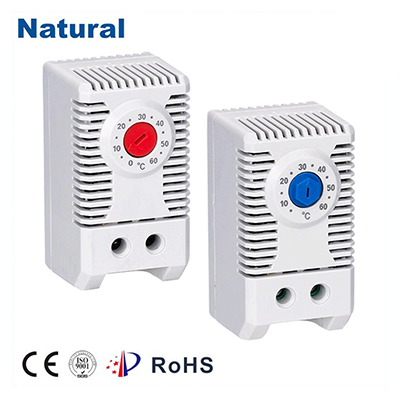
Temperature control plays a vital role in various industries and applications, ensuring that processes, equipment, and environments remain within desired temperature ranges. One essential component in achieving this control is the temperature controller bimetal thermostat. This article delves into the functionality, applications, and benefits of this crucial device. Functionality of Temperature Controller Bimetal Thermostat The temperature controller bimetal thermostat is a mechanical device designed to regulate temperature by utilizing the principle of thermal expansion. It consists of two different metal strips, each with a different coefficient of thermal expansion, bonded together. As temperature changes, these strips expand or contract at different rates, causing the entire strip to bend. This bending action activates a switch, either turning the heating element on or off to maintain the desired temperature range. Applications Household Appliances:Bimetal thermostats are commonly used in household appliances such as ovens, toasters, and refrigerators. They ensure that these appliances maintain accurate and safe temperature levels, preventing overcooking, overheating, or freezing. HVAC Systems:Heating, ventilation, and air conditioning systems benefit from bimetal thermostats to keep indoor spaces comfortable. They help regulate the flow of hot or cold air, ensuring energy efficiency and optimal comfort. Automotive Industry:Bimetal thermostats are integral to regulating engine temperature in vehicles. They assist in preventing engines from overheating and optimize fuel efficiency. Industrial Processes:Industries like manufacturing, food production, and chemical processing rely on bimetal thermostats to maintain precise temperatures during various production stages. This ensures quality, consistency, and safety. Benefits Reliability:Bimetal thermostats are known for their robustness and long lifespan. Their mechanical operation eliminates the need for complex electronic components that can be susceptible to failures. Cost-Effectiveness:These thermostats offer an economical solution for temperature control. Their simple design and durable construction reduce maintenance and replacement costs. No Power Dependency:Unlike electronic thermostats, bimetal thermostats do not require a power source to function. This characteristic is especially advantageous in remote or power-constrained environments. Wide Temperature Range:Bimetal thermostats can operate across a broad temperature spectrum, making them suitable for both high-temperature industrial applications and low-temperature applications like refrigeration. Safety:The mechanical nature of bimetal thermostats makes them inherently fail-safe. In case of a malfunction, they tend to default to a safe state, preventing dangerous overheating or cooling. Conclusion The temperature controller bimetal thermostat stands as a reliable, cost-effective, and versatile solution for temperature regulation in various domains. From household appliances to critical industrial processes, its mechanical simplicity and dependable operation make it an indispensable tool for maintaining accurate and safe temperature levels. As technology advances, electronic alternatives may gain traction, but the bimetal thermostat’s legacy as a workhorse of temperature control is likely to endure for years to come.