Incubators are essential tools in various fields, ranging from biology and medicine to agriculture and research. These devices provide a controlled environment for nurturing and cultivating organisms or samples at specific temperature conditions. At the heart of every incubator lies a crucial component: the temperature control switch and thermostat. In this article, we delve into the significance of temperature control switches in incubators, focusing on the vital role of precise thermostats in maintaining optimal conditions.
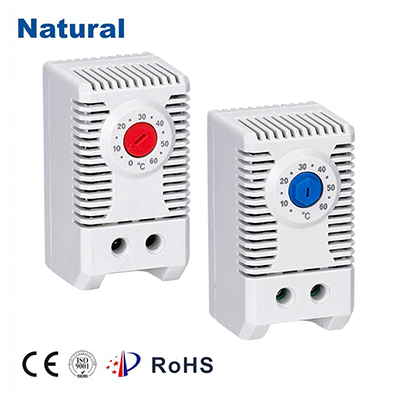
The temperature control switch is the brain behind the incubator’s ability to create and maintain a stable environment. It serves as the command center, regulating the heating and cooling mechanisms to ensure the temperature inside the incubator remains consistent. The thermostat, on the other hand, acts as the guardian of temperature accuracy. A precise thermostat is paramount because even slight deviations from the desired temperature can have profound consequences on the organisms or samples being nurtured. In scientific research and clinical applications, maintaining a specific temperature range is often non-negotiable. For instance, in microbiology labs, bacterial cultures must be incubated at precise temperatures to ensure accurate experimental outcomes. In neonatal care units, incubators are employed to create a warm environment for premature infants, replicating the conditions of a mother’s womb. In agriculture, egg incubators require meticulous temperature control to hatch healthy chicks. These examples underscore the critical role that temperature control switches play in various sectors. A precise thermostat ensures that the temperature control switch operates with accuracy and efficiency. Thermostats equipped with advanced sensors can detect even the slightest fluctuations in temperature and trigger the necessary adjustments. They enable the incubator to swiftly respond to changes, thereby preventing potential damage to delicate samples or organisms. Moreover, modern thermostats often come with digital displays, allowing users to monitor the internal temperature in real-time. In industrial applications, such as pharmaceutical manufacturing, temperature control switches are not only crucial for maintaining product quality but also for adhering to regulatory standards. Vaccines, for instance, must be produced and stored under specific temperature conditions to remain effective. The failure of an incubator’s temperature control system could lead to compromised medications, risking public health on a large scale. Advancements in technology have led to the development of sophisticated temperature control switches with enhanced features. Some incubators now utilize programmable thermostats that enable users to set up complex temperature profiles over time. This is particularly useful in research scenarios where experiments involve varying temperature requirements. Additionally, remote monitoring and control capabilities have been integrated into certain incubators, allowing researchers or operators to adjust settings and receive alerts even from a distance. In conclusion, temperature control switches and thermostats are the unsung heroes of incubators, playing a pivotal role in maintaining stable and precise temperature conditions. From medical research to agriculture and industrial applications, these components ensure the success of experiments, the health of premature infants, and the efficacy of pharmaceuticals. The continuous development of advanced thermostats underscores their importance in today’s technological landscape. As we look toward the future, it’s clear that the evolution of temperature control technology will continue to enhance the accuracy and efficiency of incubators across various domains.