Telecommunication relay systems play a crucial role in ensuring the effective transmission of signals across vast distances. These systems serve as intermediaries that help extend the range of communication networks, improve signal strength, and maintain data integrity throughout the transmission process. Whether in traditional wireline communication, satellite systems, or modern wireless technologies, telecommunication relays are essential in facilitating seamless, reliable connectivity.
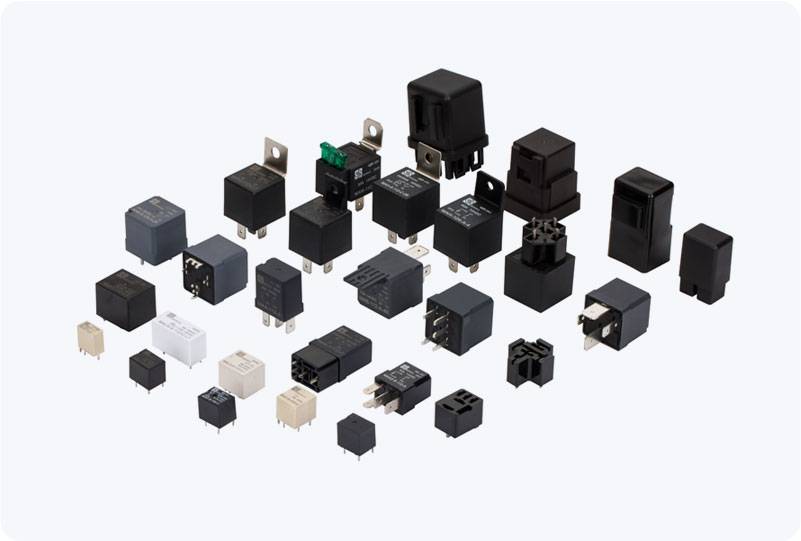
At its core, a telecommunication relay involves the forwarding or retransmission of signals from one point to another. This may include amplifying or regenerating the signal to overcome the loss of power or quality that can occur over long distances. Relay systems can be found in a variety of forms, depending on the communication medium and the technology in use. Types of Telecommunication Relay Systems Repeaters: One of the most common types of relays used in telecommunication is the repeater. Repeaters work by receiving a weak or degraded signal, amplifying it, and retransmitting it over a longer distance. In copper-wire telecommunication networks, repeaters are often placed at intervals along the transmission line to maintain signal quality. In fiber-optic communication systems, optical repeaters perform a similar function by amplifying light signals without converting them back into electrical signals.
Leave a Reply