In recent years, the increasing demand for electric vehicles (EVs) and renewable energy solutions has placed higher demands on electrical systems to operate more efficiently and safely. A key component in ensuring the seamless operation of high-voltage electrical systems is the TE Connectivity HV Relay. This advanced relay plays a vital role in controlling and protecting high-voltage circuits, making it a cornerstone in automotive, industrial, and energy applications. In this article, we will explore the importance, features, and applications of the TE Connectivity HV Relay, highlighting how it contributes to the reliability and safety of modern electrical systems.
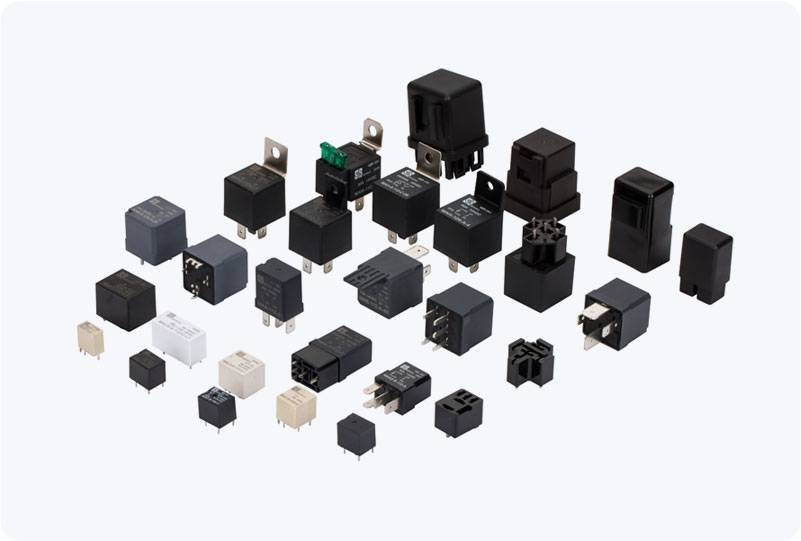
What is a High-Voltage Relay? A high-voltage (HV) relay is a type of electrical switch designed to control the flow of high-voltage power in various systems. Unlike conventional relays, HV relays are engineered to handle electrical loads above 30V, often reaching up to 600V or more. These relays are crucial in applications where controlling the flow of electricity is necessary for the efficient operation of power-hungry devices such as electric vehicles, renewable energy systems, and industrial machinery. The TE Connectivity HV Relay is designed to operate under these demanding conditions, providing safe and reliable switching performance for high-voltage circuits. By integrating sophisticated contact systems and durable materials, the relay ensures long-lasting operation even in harsh environments.