Introduction
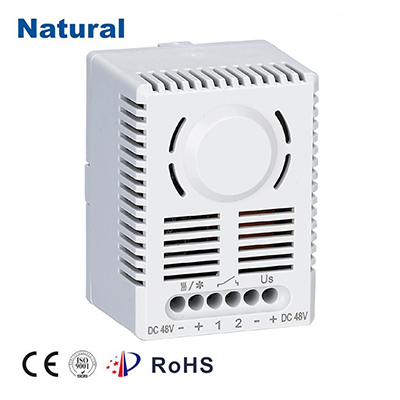
Temperature control plays a crucial role in various industries and applications, ranging from household appliances to industrial processes. One of the key components that enable accurate temperature regulation is the switch temperature protector thermostat. In this article, we will explore the functionality, applications, and benefits of this essential device. Functionality and Working Principle The switch temperature protector thermostat, often referred to simply as a thermostat, is an intelligent device designed to monitor and regulate temperature. It serves as a safeguard against extreme temperatures that could potentially damage equipment, compromise safety, or hinder optimal performance. The thermostat operates by detecting temperature changes and initiating a switching action to control the heating or cooling system accordingly. When the temperature reaches a predetermined set point, the thermostat activates a switch, either turning on or off the connected heating or cooling element. This action maintains the temperature within a desired range. The switch temperature protector thermostat can be found in both mechanical and electronic forms, each with its own advantages. Applications in Household and Industrial Settings The applications of switch temperature protector thermostats are vast and diverse. In household settings, these thermostats are commonly integrated into appliances such as refrigerators, air conditioners, water heaters, and ovens. They ensure that these appliances operate within safe temperature limits, preserving food quality, enhancing comfort, and preventing overheating. In industrial settings, the thermostat’s role becomes even more critical. It is employed in manufacturing processes to regulate temperatures in machinery, chemical reactions, and material processing. For instance, in plastic molding, precise temperature control is essential for obtaining quality products. The switch temperature protector thermostat helps prevent material degradation and ensures consistent output. Benefits and Advantages The switch temperature protector thermostat offers several notable benefits: Energy Efficiency: By maintaining temperatures within optimal ranges, these thermostats contribute to energy conservation. Appliances and systems operate only when necessary, reducing overall energy consumption. Equipment Protection: Crucial equipment and machinery are shielded from overheating or extreme cold, prolonging their lifespan and reducing the risk of breakdowns. Safety Enhancement: In scenarios where temperature fluctuations could pose safety risks, such as in industrial processes involving volatile materials, thermostats provide a layer of protection by preventing undesirable temperature spikes. Cost Savings: Preventing equipment failures and optimizing energy usage directly translate to cost savings for both households and businesses. Automation and Convenience: Thermostats automate temperature control, eliminating the need for constant manual adjustments and allowing users to focus on other tasks. Future Developments As technology continues to advance, switch temperature protector thermostats are likely to undergo further enhancements. These may include improved accuracy, remote monitoring and control capabilities, integration with smart home systems, and the use of advanced materials for increased durability. Conclusion The switch temperature protector thermostat is an indispensable device that ensures effective temperature control in a wide range of applications. From preserving food quality in household appliances to enabling precise manufacturing processes in industries, its significance cannot be understated. By offering energy efficiency, equipment protection, safety enhancement, cost savings, and automation, this thermostat plays a pivotal role in enhancing our daily lives and driving industrial progress. As technology evolves, we can anticipate even more sophisticated iterations of this vital temperature regulation tool.