Lithium-ion batteries have become the cornerstone of modern energy storage, powering everything from electric vehicles (EVs) to portable electronics. As demand for these batteries grows, so does the need for safe, efficient, and reliable battery components. One such critical component is the Stainless Steel Lithium Battery Valve, an essential part of the battery’s safety mechanism. This valve helps manage pressure buildup within the battery during charging or discharging, ensuring that the system operates safely under various conditions. In this article, we will explore the function, design, and significance of stainless steel lithium battery valves, highlighting their vital role in modern battery technology.
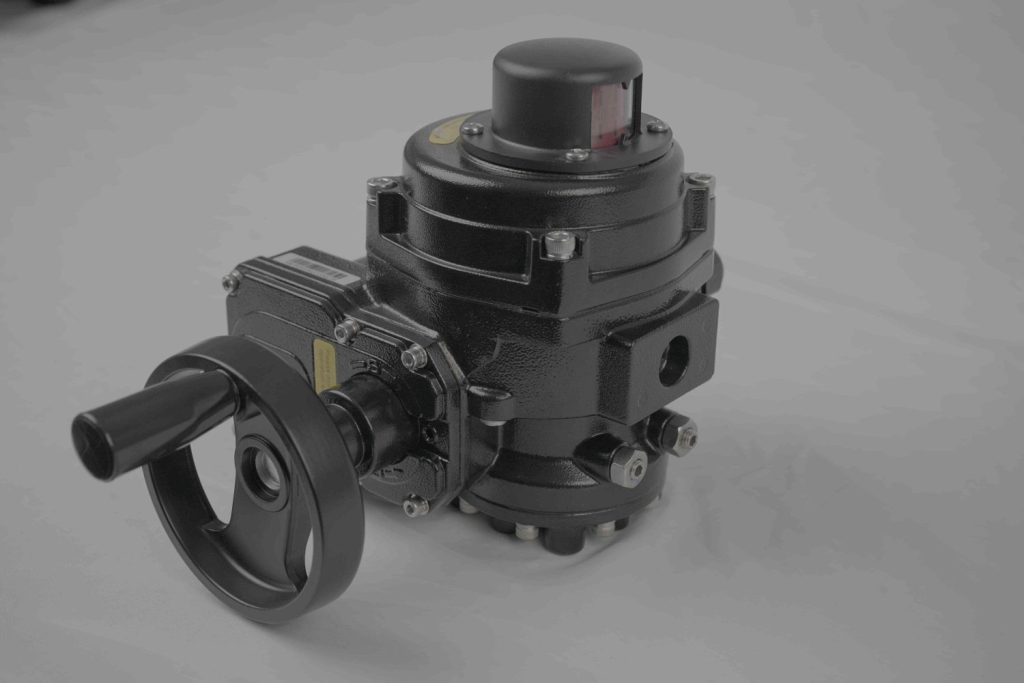
What is a Stainless Steel Lithium Battery Valve? A Stainless Steel Lithium Battery Valve is a pressure relief device used in lithium-ion battery systems to control and release gas that can accumulate within the battery during charging or discharging. These valves are designed to open at specific pressure thresholds, allowing gas to escape safely without causing damage to the battery casing or leading to hazardous situations like rupture or explosion. Stainless steel is used in these valves due to its superior corrosion resistance, strength, and durability, ensuring long-term reliability even under challenging conditions.