In the world of modern industrial applications, the need for precise and efficient fluid control systems is essential. One of the most popular and reliable options for this purpose is the Stainless Steel Electric Screw Ball Valve. This type of valve combines the durability and corrosion resistance of stainless steel with the convenience of electric automation, making it a crucial component in various industries, including chemical processing, HVAC, water treatment, and more. In this article, we will explore the structure, operation, benefits, and applications of Stainless Steel Electric Screw Ball Valves to better understand why they are indispensable in automation systems.
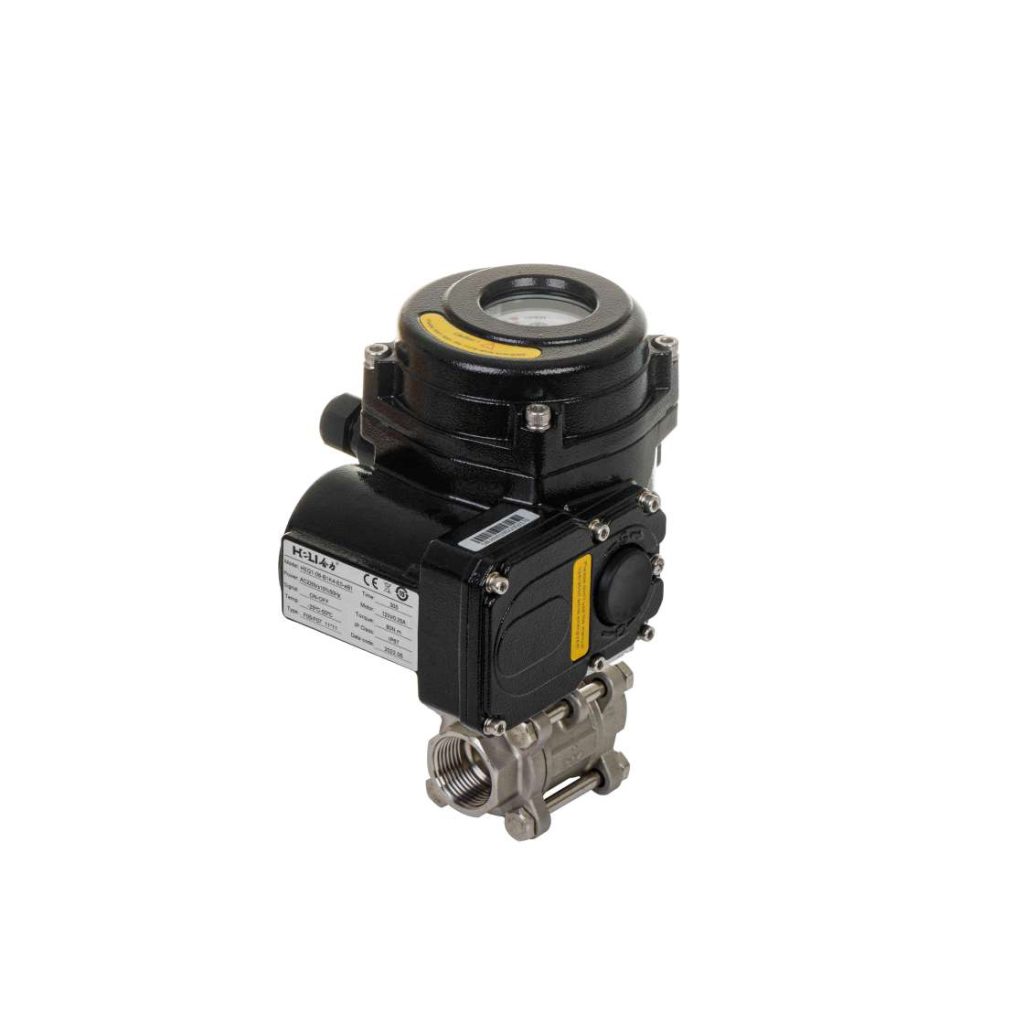
1. Structure and Components
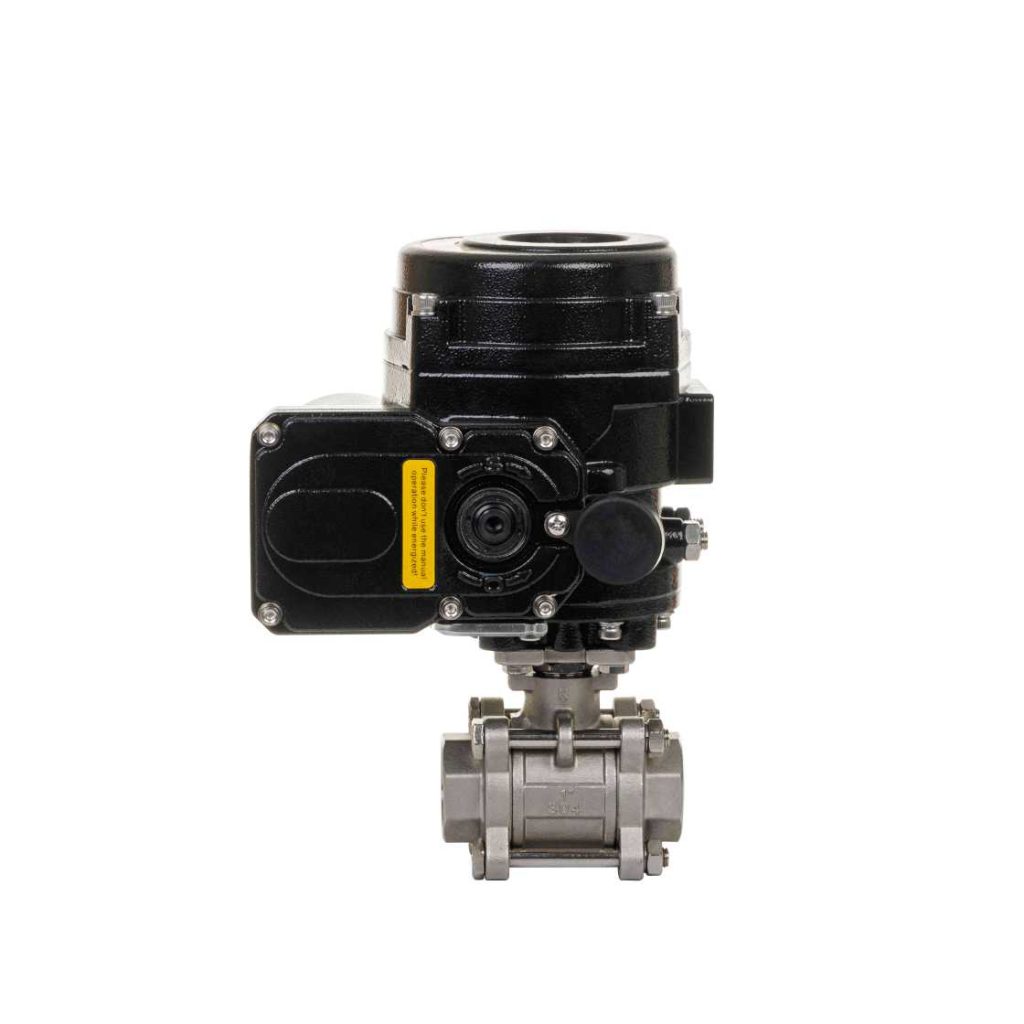
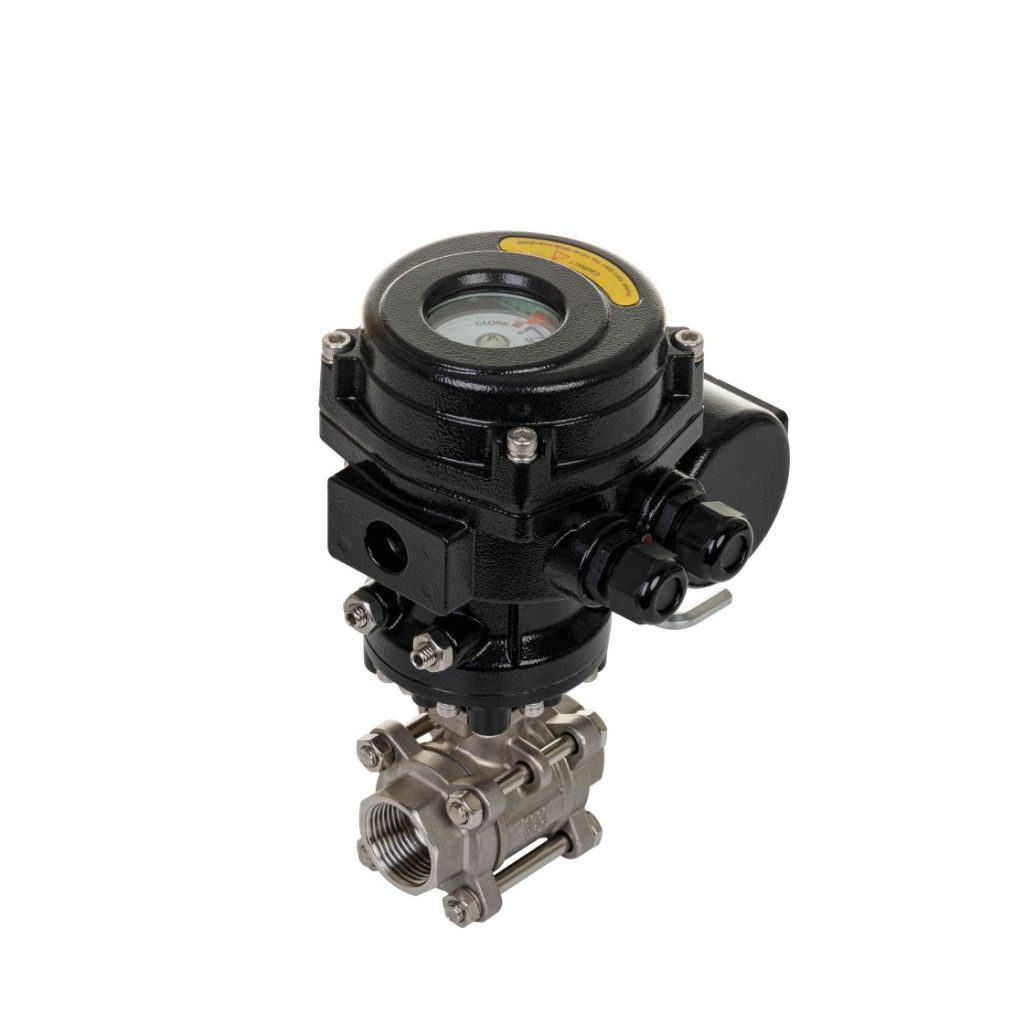
The Stainless Steel Electric Screw Ball Valve consists of several key components, each serving a specific function in the valve’s operation. These include: Valve Body: The main structure, typically made of high-quality stainless steel (304 or 316), ensures the valve’s resistance to corrosion and high temperatures. Stainless steel is ideal for environments where aggressive or harsh chemicals may be present. Ball: The heart of the valve, the ball, has a hole or port that aligns with the flow path when the valve is open. The ball is rotated 90 degrees by the electric actuator, either allowing or preventing fluid flow. This rapid operation makes the ball valve a highly efficient choice for on/off control.
Leave a Reply