In industries ranging from pharmaceuticals to food processing, effective flow control is essential for ensuring safety, efficiency, and reliability. Among the various types of valves used for fluid and gas control, the stainless steel electric pinch valve has emerged as a preferred choice due to its simplicity, low maintenance, and ability to handle a variety of challenging media. This article delves into the features, applications, and advantages of stainless steel electric pinch valves, highlighting why they are a crucial component in modern industrial flow control systems.
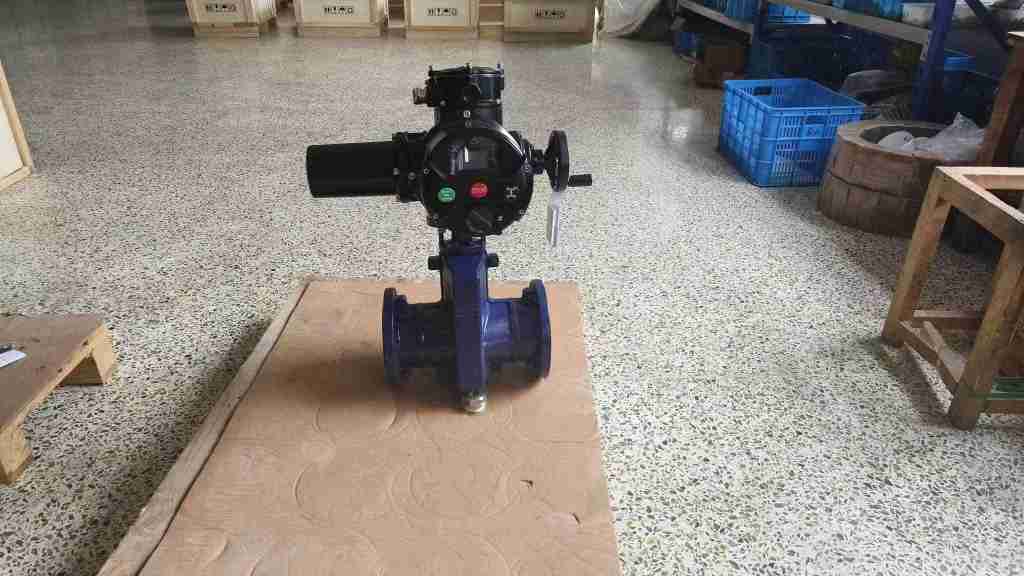
What is a Stainless Steel Electric Pinch Valve? A stainless steel electric pinch valve is a type of valve that uses a flexible tube to regulate the flow of fluids or gases. Unlike traditional ball, gate, or globe valves, pinch valves rely on a tube that is pinched closed by an actuator to stop the flow and released to allow fluid or gas to pass. The stainless steel housing offers durability, corrosion resistance, and strength, making these valves ideal for harsh or high-demand applications. The electric actuator is responsible for controlling the pinch valve’s operation. It opens or closes the pinch mechanism based on electric signals, which allows for precise and automated control over flow. This makes stainless steel electric pinch valves particularly useful in systems where remote control, automated operations, or precise flow regulation is needed.
Leave a Reply