Solenoid valves are essential components in a wide range of industries, playing a critical role in controlling the flow of liquids and gases. The material selection for these valves—whether stainless steel or plastic—has a significant impact on their performance, durability, and application. Each material comes with its own set of advantages and drawbacks, making it important for engineers and system designers to select the right type of solenoid valve for specific needs. In this article, we will compare stainless steel and plastic solenoid valves, focusing on their properties, advantages, disadvantages, and ideal applications.
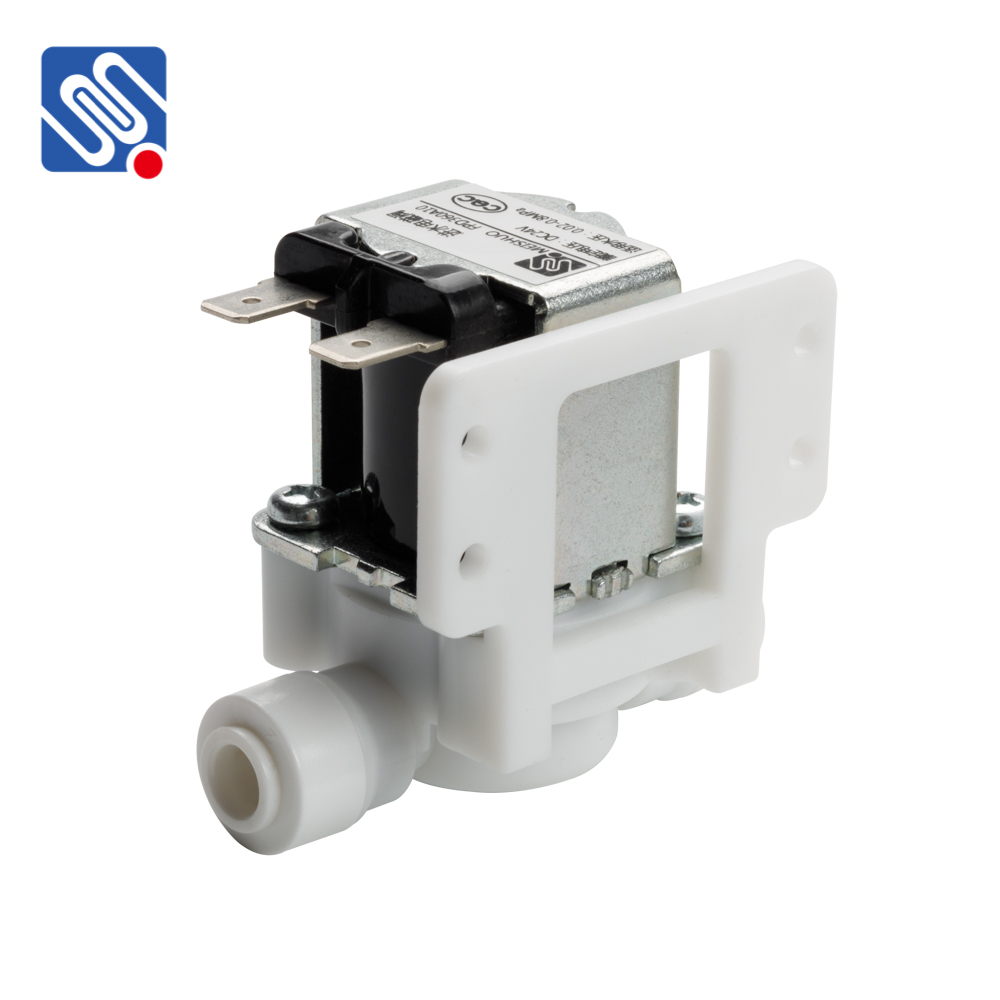
Understanding Solenoid Valves A solenoid valve is an electromechanically controlled valve that uses an electric current to create a magnetic field, which in turn opens or closes the valve. This mechanism allows precise control of fluid or gas flow in various applications, ranging from industrial processes to everyday household appliances. Solenoid valves can be made from a variety of materials, but stainless steel and plastic are among the most commonly used due to their unique properties that cater to different operational conditions. Stainless Steel Solenoid Valve: Durability and Strength