As the global automotive industry embraces the future of mobility with a shift towards sustainable solutions, New Energy Vehicles (NEVs) have gained significant traction. Among the cutting-edge technologies supporting NEVs, Self-Sustaining Relays (SSR) are emerging as a critical component, offering robust solutions for enhancing the safety, reliability, and efficiency of electric vehicle (EV) power systems. This article explores the role of SSR in NEVs, its significance, and its impact on vehicle safety and power system management.
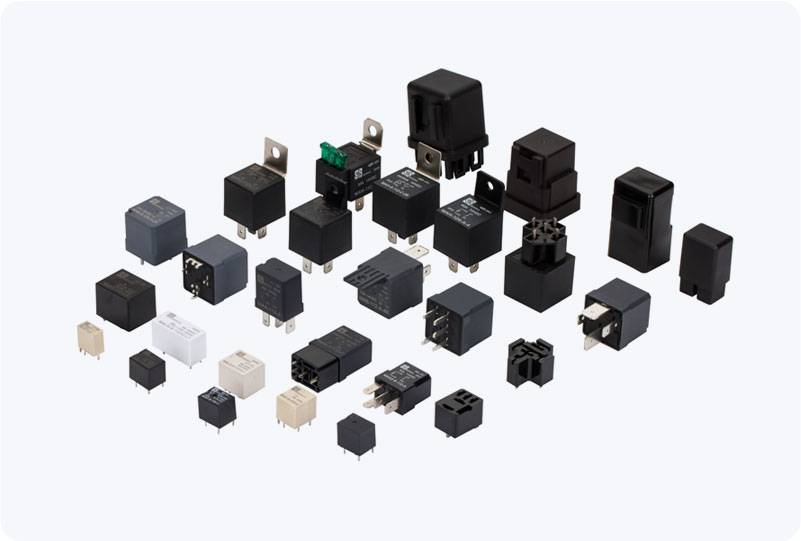
What is an SSR? A Self-Sustaining Relay (SSR) is an advanced electrical component designed to protect electric power systems from faults such as short circuits, overloads, and voltage fluctuations. It works by automatically diagnosing and responding to electrical failures, ensuring that the power system remains operational even when unexpected issues arise. In the context of NEVs, SSR plays an essential role in ensuring the stability of the electric power system, which is crucial for the safe and efficient operation of EVs. The Importance of SSR in New Energy Vehicles Electric vehicles rely heavily on a robust electrical system that includes various components such as the battery, inverter, electric motor, and charging system. With the increasing complexity and sophistication of these systems, the risk of electrical faults also rises. SSR serves as a safeguard, automatically identifying faults and re-establishing power flow to maintain vehicle functionality. The ability of SSR to act swiftly in case of a fault prevents catastrophic failures, which could otherwise damage the vehicle’s powertrain or compromise safety.