In the fast-evolving world of new energy vehicles (NEVs), technological advancements are pivotal in driving efficiency, safety, and sustainability. Among these innovations, the Solid State Relay (SSR) stands out as a crucial component that is steadily gaining ground in the automotive industry, particularly in the electric and hybrid vehicle sectors. Solid State Relays, a semiconductor-based electronic switching device, have shown promising potential in improving the performance and reliability of electric vehicles (EVs), contributing to the development of next-generation automotive systems.
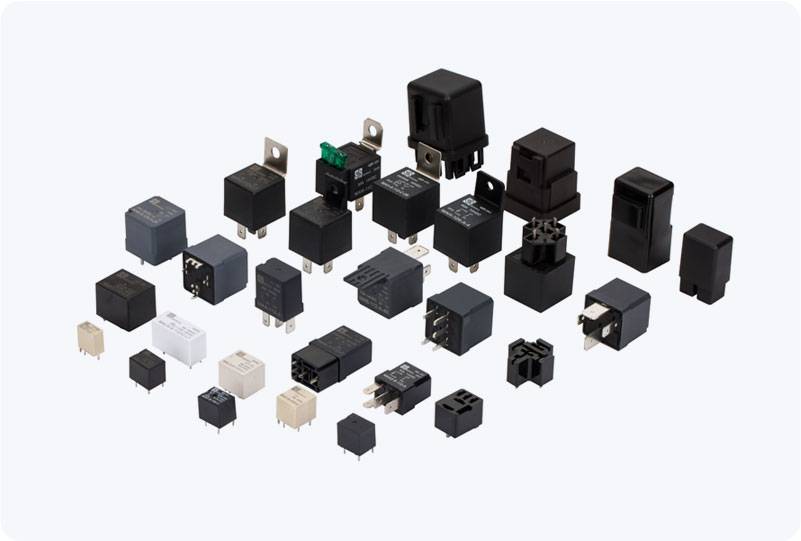
What is SSR? A Solid State Relay (SSR) is an electronic switch that uses semiconductor devices, such as triacs, thyristors, and optoisolators, to control the flow of electricity in a circuit. Unlike traditional mechanical relays, SSRs have no moving parts, which allows for faster switching times, higher reliability, and better resistance to environmental factors like vibrations and shocks. They are typically used to switch electrical circuits on and off without the need for physical contacts, making them ideal for applications where rapid switching and long-term durability are required.