In the world of electrical engineering, the importance of reliable and efficient switching devices cannot be overstated. Among the many types of relays, Solid State Relays (SSR) stand out as an innovative solution to traditional mechanical relays. With advancements in technology, SSRs have gained widespread adoption in various industries due to their superior performance, durability, and versatility. This article delves into the concept of Solid State Relays, their working principles, advantages, and applications, shedding light on why they are considered the future of electrical switching.
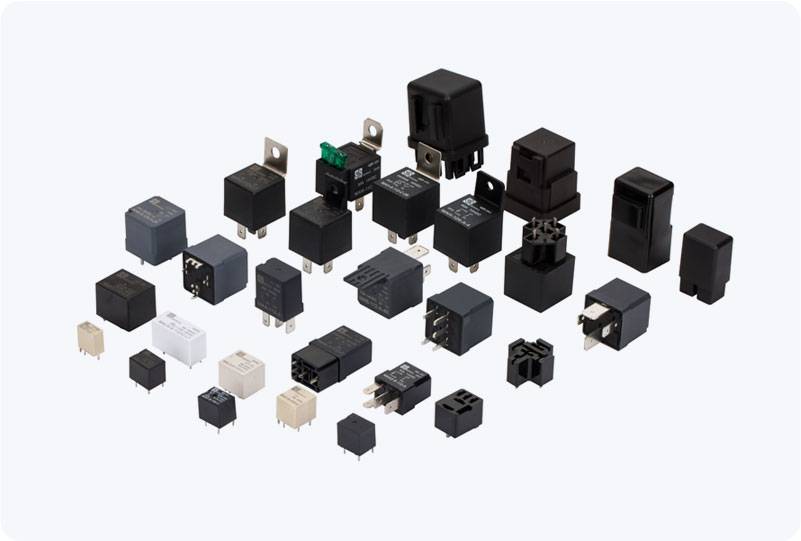
What is a Solid State Relay (SSR)? A Solid State Relay (SSR) is an electronic switching device used to control electrical circuits without relying on mechanical components. Unlike traditional relays, which use electromagnets and physical contacts to switch circuits, SSRs operate using semiconductor devices, such as thyristors, triacs, or photonic components. These semiconductor elements perform the switching function by electronically controlling the flow of current, resulting in no moving parts, which significantly enhances the reliability and longevity of the device. How Does a Solid State Relay Work?
Leave a Reply