In today’s increasingly automated and power-dependent world, the need for efficient, reliable, and fast switching mechanisms in high-voltage applications has become more critical than ever. The introduction of Solid-State High-Voltage (HV) Relays has provided a solution that not only meets these demands but also improves overall system performance and reliability. Unlike traditional mechanical relays, Solid-State HV Relays use semiconductor technology to control the flow of electricity without moving parts, offering a host of advantages in various high-voltage and industrial applications.
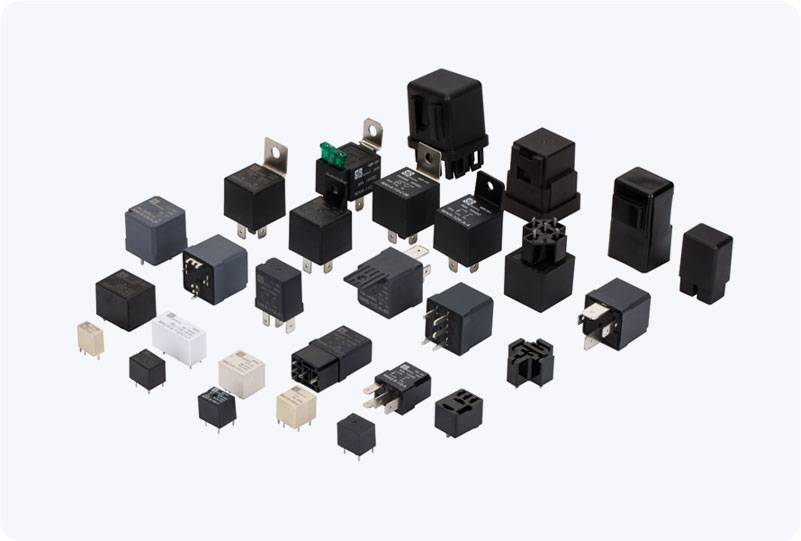
What is a Solid-State HV Relay? A Solid-State HV Relay is an electronic switching device that controls high-voltage circuits using semiconductor materials such as transistors, MOSFETs, and thyristors (SCR). Unlike conventional electromechanical relays that rely on physical contacts to open and close the circuit, solid-state relays function by switching on or off through the activation of semiconductor components, without any mechanical movement. This solid-state construction eliminates many of the limitations associated with mechanical relays, such as wear and tear, slow switching speeds, and susceptibility to electrical arcing.
Leave a Reply