Solenoid valves for liquid control have become essential components in modern fluid management systems. With their ability to precisely regulate the flow of liquids based on electrical signals, these valves offer flexibility, efficiency, and reliability in a wide range of industrial applications. Whether controlling water in irrigation systems, regulating chemicals in manufacturing, or maintaining the flow of refrigerants in HVAC systems, solenoid valves are indispensable in ensuring smooth and efficient operations. This article explores the working principle, types, applications, and advantages of solenoid valves for liquid control, highlighting their significance in various industries.
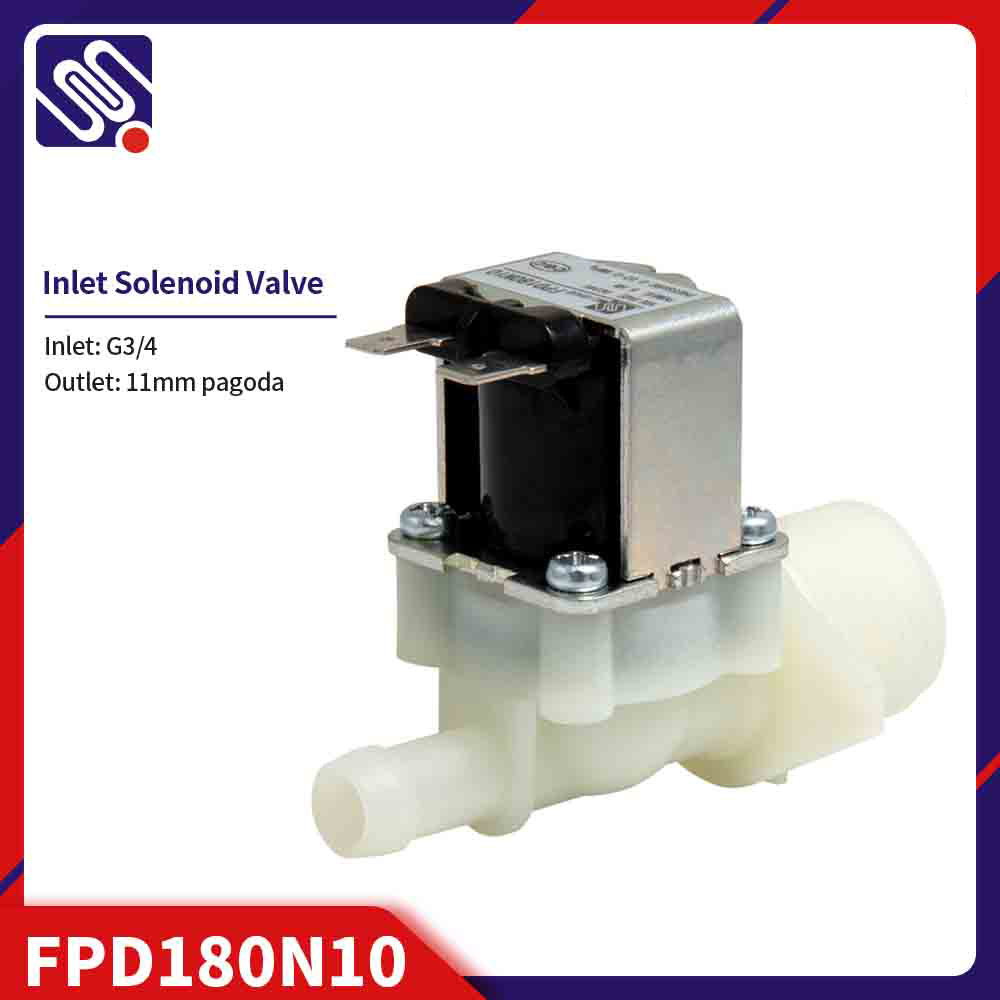
What is a Solenoid Valve for Liquid Control? A solenoid valve is an electromechanical device used to control the flow of liquids by using an electric current to create a magnetic field. When the current flows through the solenoid coil, the magnetic field causes a plunger or armature to either open or close the valve, regulating the flow of liquid in the system. The main function of a solenoid valve is to either permit or prevent liquid from flowing through a pipe, and its operation is typically governed by an on/off electrical signal. This provides a highly effective method for controlling fluid flow in automated and remote systems.