A solenoid valve for liquid control is an electromechanical device that regulates the flow of liquids through a piping system. By using a solenoid coil to open or close the valve, it enables precise control over the flow of liquids, making it an essential component in numerous industries, from manufacturing to consumer appliances. This article explores the functionality, applications, and benefits of solenoid valves, specifically those used for liquid control, and why they are integral in modern automation systems.
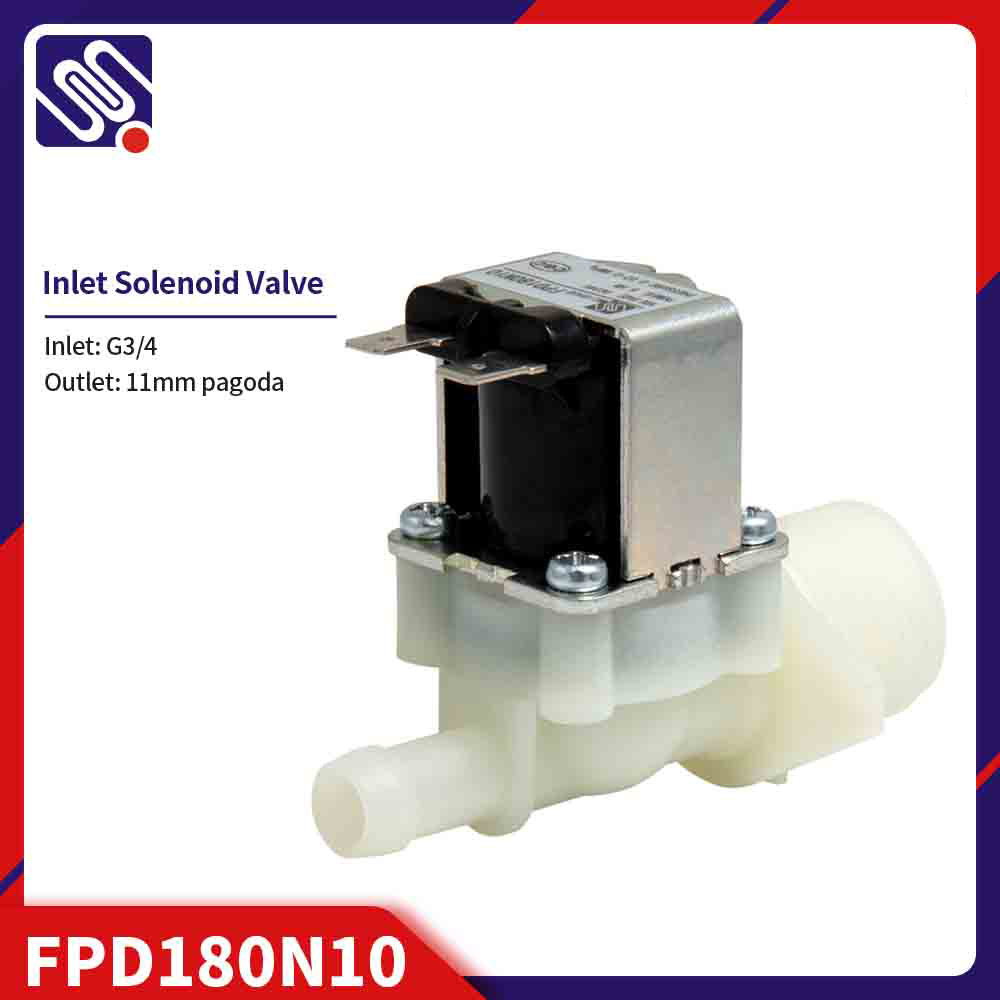
What is a Solenoid Valve for Liquid Control? A solenoid valve is a type of valve that is operated by an electric current. It typically consists of a solenoid (electromagnetic coil), a plunger, and a valve body. When electrical current flows through the solenoid coil, it generates a magnetic field that pulls the plunger, allowing or preventing fluid from passing through the valve. The valve can either open or close depending on the configuration of the solenoid. For liquid control, solenoid valves are particularly useful because they can precisely control the flow of liquids in a system. Depending on the design, the valve can either allow liquid to flow when energized (normally closed, NC), or it can block the flow when energized (normally open, NO). These capabilities make solenoid valves indispensable in a variety of industries, such as water treatment, manufacturing, medical devices, and more.