In recent years, the landscape of automation has evolved significantly, especially with the advent of smart technologies that enable more efficient, flexible, and intelligent systems. One such innovation is the smart relay, a device that blends the traditional functionality of a relay with modern, intelligent control features. This article delves into the concept of a smart relay, its key features, benefits, and various applications across different industries.
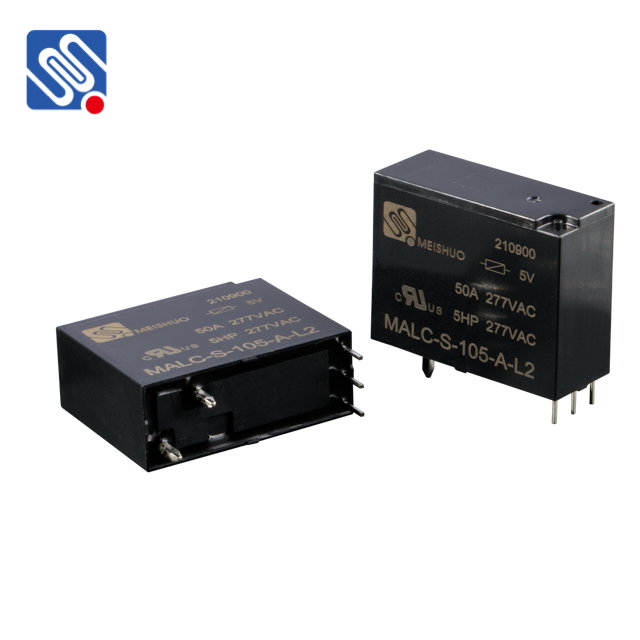
What is a Smart Relay? A smart relay is an advanced version of a traditional relay, integrating the basic relay functions with microcontroller capabilities and communication protocols. Traditionally, relays have been used to switch electrical circuits on and off, using mechanical contacts to control the flow of electricity. However, smart relays incorporate sophisticated features such as remote control, scheduling, energy monitoring, and sensor integration, making them more versatile and adaptable for various applications. Key Features of Smart Relays Remote Control Capabilities One of the primary advantages of a smart relay is its ability to be controlled remotely. Using Wi-Fi, Bluetooth, or other communication methods, users can operate the relay from anywhere using mobile apps, web interfaces, or smart home platforms. This remote accessibility is particularly useful in home automation systems, where users can control devices like lights, fans, and appliances from their smartphones.