In industries that handle hazardous materials, such as chemical plants, refineries, and power plants, maintaining strict control over equipment is paramount. One of the most critical safety measures in such environments is ensuring that valves—particularly safety valves—are securely locked to prevent unauthorized or accidental manipulation. This is where Safety Valve Lock technical support plays a crucial role. It ensures that the proper locking mechanisms are in place, maintained, and functioning correctly, thus safeguarding both personnel and equipment.
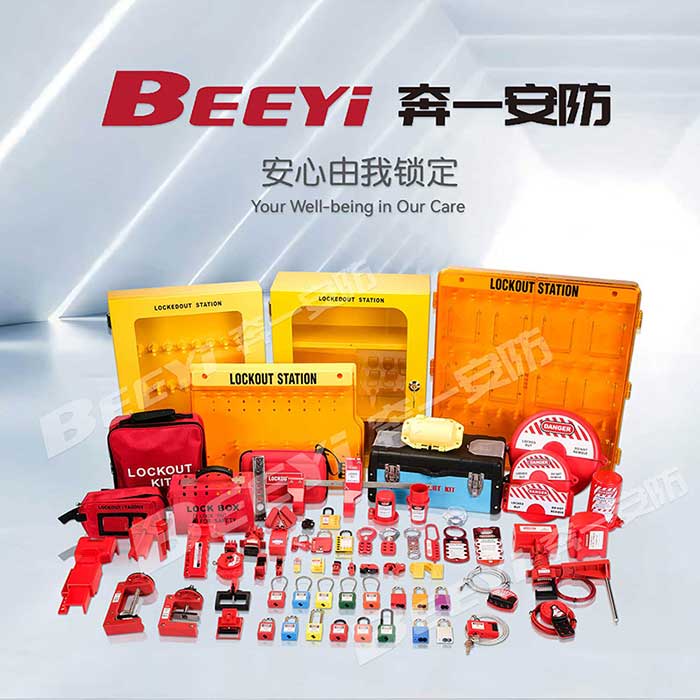
Understanding Safety Valve Locks Safety valves are designed to release pressure from systems to prevent overpressure and potential damage. These valves are especially vital in preventing catastrophic failures in high-pressure systems, such as those found in the oil, gas, and chemical industries. However, while these valves are built to function autonomously under certain conditions, human intervention can sometimes lead to mistakes—whether accidental or intentional. A Safety Valve Lock is a physical device used to secure a valve in place, preventing unauthorized access or accidental tampering. By locking the valve in its designated position, the device ensures that the valve remains either open or closed, as per the operational requirements. It is often used as part of a broader safety and lockout/tagout (LOTO) procedure to comply with regulatory safety standards and best practices.