A safety valve lock is a crucial tool in industries where pressure relief systems are integral to maintaining safe operations. These locks help prevent unauthorized or accidental operation of pressure relief valves, ensuring that the system stays safe from unintentional or harmful changes in pressure. This article will provide an in-depth guide on how to properly install a safety valve lock, highlighting key steps and important considerations.
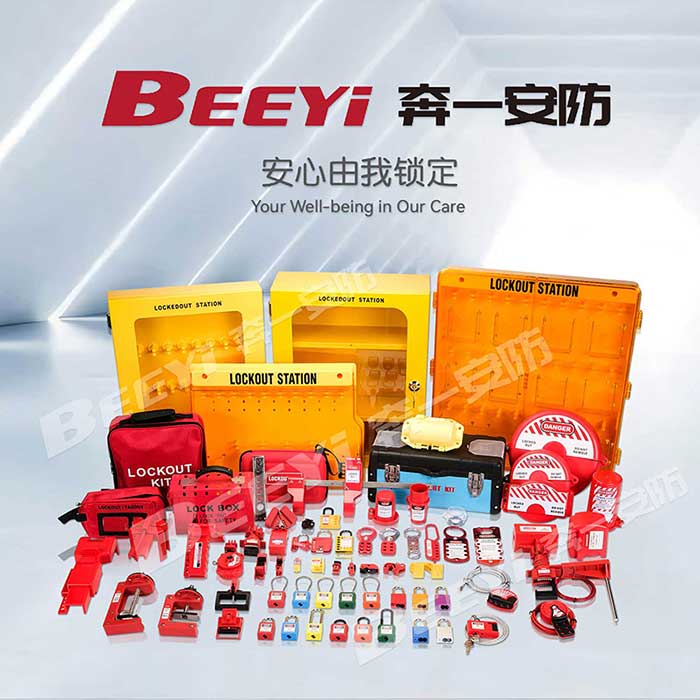
Why Safety Valve Locks are Essential Before diving into the installation process, it’s important to understand the purpose of a safety valve lock. In any system where pressure relief valves are in use, such as in chemical plants, oil rigs, or power stations, managing pressure safely is a critical concern. A safety valve lock ensures that the valve cannot be opened or adjusted without proper authorization, which is vital in preventing accidents caused by improper handling or unauthorized maintenance. This tool is especially important for compliance with lockout/tagout (LOTO) procedures, a safety protocol used to control hazardous energy during maintenance.