In industrial and manufacturing environments, worker safety is of paramount importance. One of the key safety procedures that are widely adopted to prevent injuries during maintenance and repair tasks is Lockout/Tagout (LOTO), particularly through the use of Safety Padlocks. These simple yet effective tools and procedures play a crucial role in safeguarding workers from the dangers associated with the unexpected release of hazardous energy during maintenance activities. This article will explore the significance of Safety Padlocks and the Lockout/Tagout program, their benefits, and how they contribute to a safer working environment.
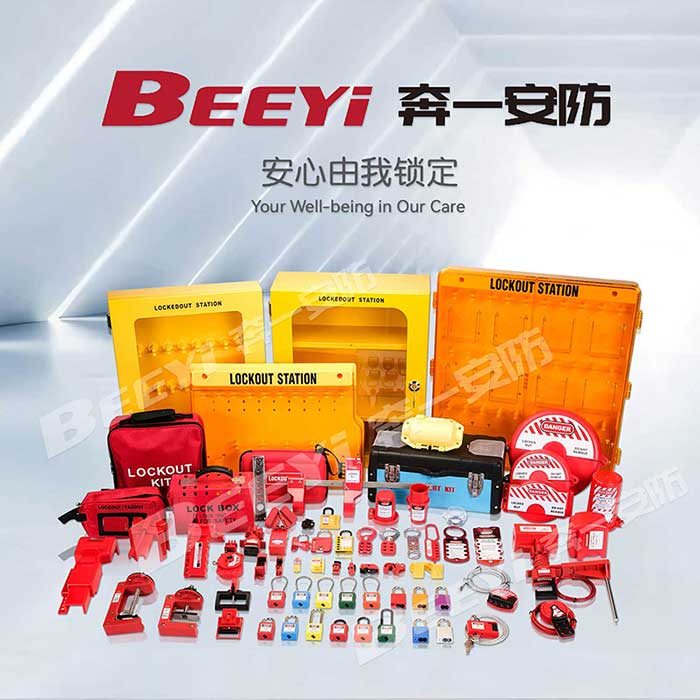
What is Lockout/Tagout (LOTO)? Lockout/Tagout refers to a set of safety procedures used in workplaces to prevent the accidental release of hazardous energy while workers perform maintenance, repair, or cleaning tasks on machinery or equipment. The purpose of LOTO is to ensure that equipment remains inoperative and cannot be accidentally started or energized while a worker is in a potentially dangerous position. The LOTO program is typically composed of two key actions: Lockout: This involves using a physical lock, typically a safety padlock, to secure the energy-isolating device of equipment or machinery (such as a switch, valve, or circuit breaker). The lock prevents anyone from operating the equipment until it is removed by the person who installed it.