In any industrial or high-risk environment, worker safety should always be the top priority. One of the most effective ways to protect workers from injury while servicing or maintaining equipment is the implementation of Safety Padlocks Lockout Tagout (LOTO) procedures. These safety protocols are crucial in preventing the accidental release of hazardous energy, which could result in devastating injuries or even fatalities. This article will explore the importance of safety padlocks and lockout/tagout procedures, the key steps involved, and the legal requirements surrounding their implementation.
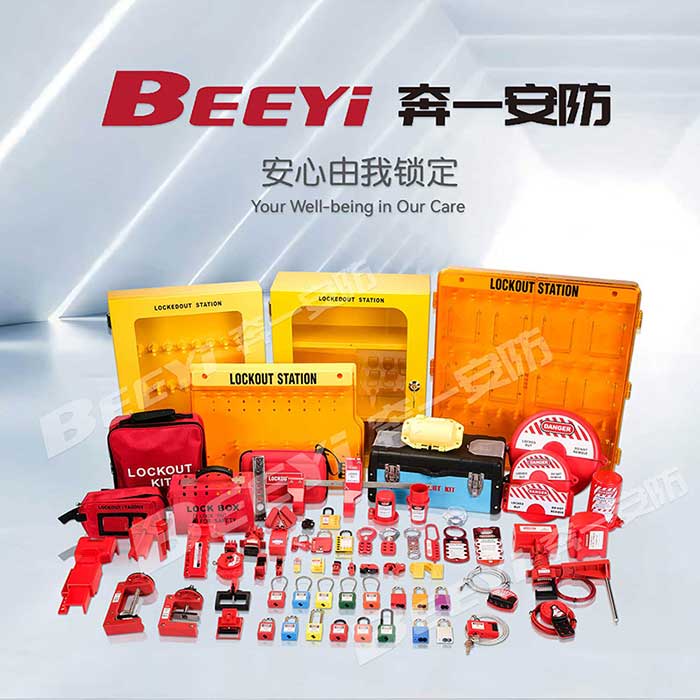
What is Lockout/Tagout (LOTO)? Lockout/Tagout (LOTO) refers to a set of safety procedures used to ensure that dangerous machines or equipment are properly shut off and cannot be operated until maintenance or repair work is completed. The procedures involve the physical locking and tagging of machines to prevent the accidental release of energy, such as electrical, hydraulic, mechanical, or thermal energy, which could cause harm to workers. LOTO procedures are typically used in industries like manufacturing, construction, and chemical processing, where workers are frequently required to repair or service large and complex machinery. Without proper lockout/tagout procedures in place, a worker may unknowingly come into contact with a hazardous machine that is still in operation, leading to serious injury.