In today’s fast-paced industrial environments, worker safety remains paramount. One of the most effective strategies for ensuring that machinery and equipment are safely de-energized during maintenance or repair work is the Lockout/Tagout (LOTO) procedure. At the heart of this procedure is the use of safety padlocks, which play a critical role in minimizing the risk of accidental machine start-up and ensuring that employees can carry out their tasks in a safe environment.
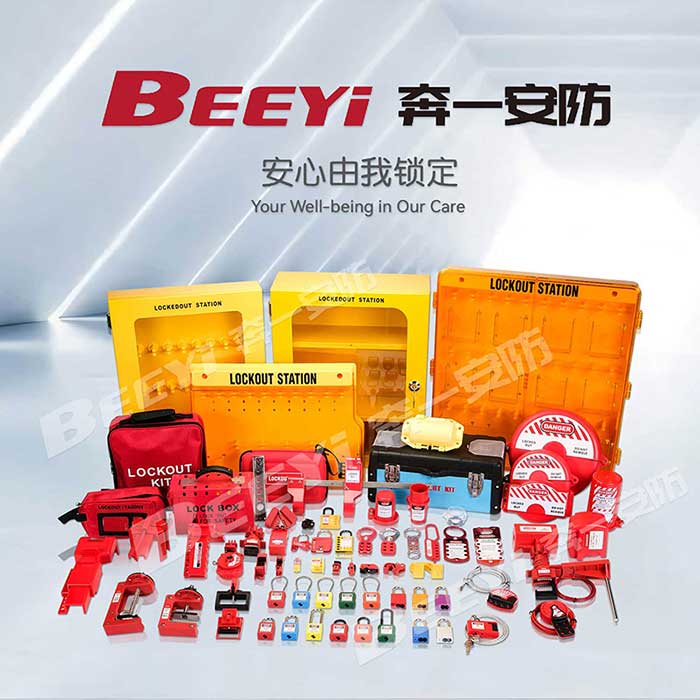
Lockout/Tagout refers to the specific practices and procedures that are used to disable machinery or equipment, ensuring that it is not accidentally started up again until maintenance or servicing has been completed. The most recognizable aspect of LOTO is the application of safety padlocks, which serve to physically secure energy sources and provide a clear visual indication that a machine is undergoing repairs. Importance of Safety Padlocks in LOTO Preventing Accidental Start-Up: Safety padlocks are designed to prevent unauthorized access to hazardous energy sources. By locking the isolation points of machines, technicians can ensure that no one can inadvertently re-energize the equipment while it is being serviced. This helps to protect not only the worker performing the maintenance but also other employees who may be in the vicinity.