Safety is paramount in any workplace, especially in environments that involve heavy machinery, hazardous chemicals, or complex electrical systems. One essential safety tool that ensures the protection of workers during maintenance and repair tasks is the safety padlock. These locks are critical in lockout/tagout (LOTO) procedures, which are designed to prevent the accidental release of hazardous energy. As a result, Safety Padlock manufacturers play a vital role in creating products that ensure both compliance with safety regulations and the well-being of employees. In this article, we explore the role of these manufacturers and the types of safety padlocks they produce.
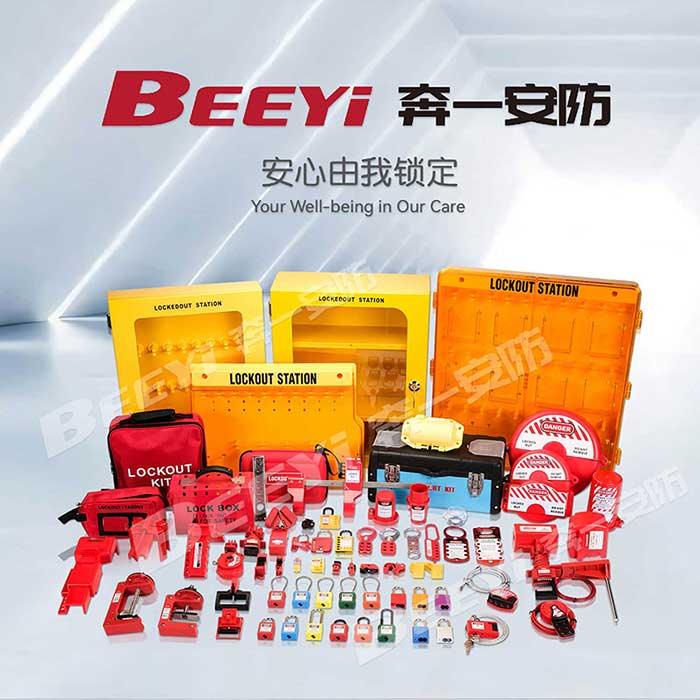
The Importance of Safety Padlocks in Workplace Safety In any industrial or commercial setting, employees are at risk of injury or even death if machinery or equipment is not properly secured during maintenance or servicing. Lockout/tagout (LOTO) procedures help mitigate these risks by ensuring that dangerous energy sources (such as electricity, pressurized gas, or mechanical power) are de-energized and cannot be inadvertently activated. One of the key components of this process is the safety padlock. These padlocks are used to secure energy-isolating devices, such as valve handles or electrical switches, and prevent unauthorized operation of equipment. They are designed to be durable, tamper-resistant, and easily identifiable, ensuring that workers can quickly recognize when a piece of equipment is locked out for maintenance.