In today’s industrial landscape, safety standards are paramount, especially regarding lockout/tagout (LOTO) procedures. One of the key components vital to these practices is the safety padlock. A safety padlock installation guide is essential for ensuring the locks serve their intended purpose effectively, safeguarding personnel, and preventing machinery-related accidents. This article outlines the steps, best practices, and considerations for installing safety padlocks.
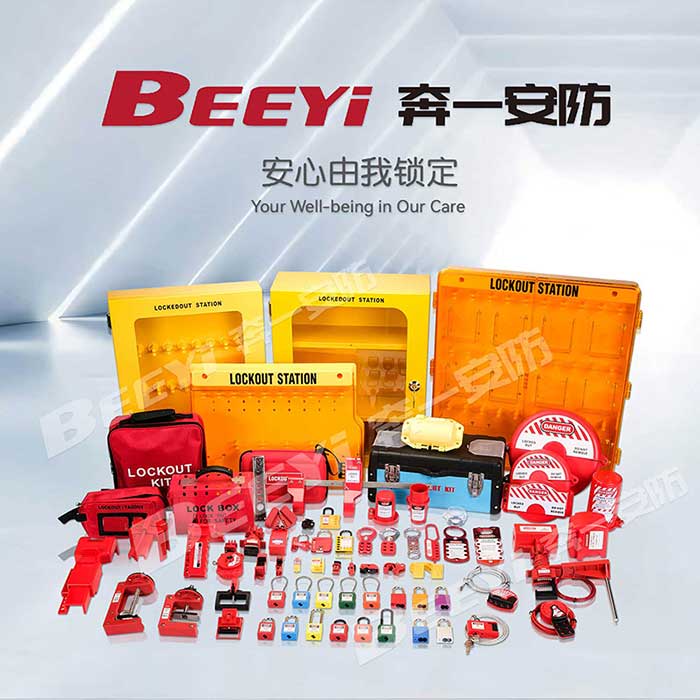
Understanding Safety Padlocks Safety padlocks are specialized locks designed to ensure that equipment remains in a safe and non-operational state during maintenance or when accessing hazardous areas. They prevent unauthorized use and provide a visual warning that someone is working on the machine. Safety padlocks typically come in vibrant colors, making them easily noticeable, and are often used in conjunction with tags that provide critical information about the lock’s purpose. Installation Steps Identify Lockout Needs: Before installation, it’s crucial to identify the machinery and equipment that requires a safety padlock. Conduct a thorough risk assessment to determine which machines require lockout/tagout procedures during maintenance. Involve all relevant personnel in this assessment to ensure comprehensive identification.