Safety in industrial workplaces is paramount to ensuring the well-being of employees, particularly in environments where heavy machinery and potentially hazardous equipment are in use. One of the key safety protocols that play a vital role in preventing accidents and injuries during maintenance activities is Safety Lockout Tagout (LOTO). This article will explore the importance of LOTO procedures, how they work, and why they are essential for protecting workers.
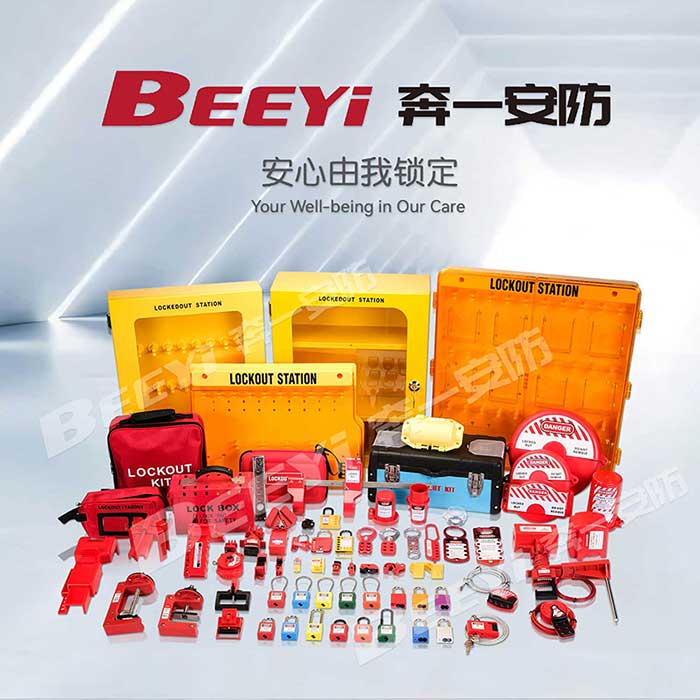
What is Lockout Tagout (LOTO)? Lockout Tagout (LOTO) refers to a set of safety procedures used to prevent the accidental release of hazardous energy while equipment is being serviced or maintained. The primary goal of LOTO is to protect workers from the risk of injury caused by the unexpected startup of machinery or the release of dangerous energy sources like electricity, gas, hydraulic pressure, or steam. LOTO procedures are divided into two key components: lockout and tagout. Lockout involves physically isolating energy sources by using locks to secure valves, switches, and other controls that could activate the equipment. Tagout, on the other hand, involves attaching a warning tag to indicate that the equipment is being worked on and should not be operated.