Safety lockout padlocks are critical components in industrial safety protocols, particularly in environments where machines and equipment must be secured during maintenance or repair. These padlocks are integral to the Lockout/Tagout (LOTO) system, which is designed to prevent accidental equipment start-up during service or maintenance. By effectively isolating energy sources and preventing unauthorized access, safety lockout padlocks play an essential role in protecting workers from the dangers of hazardous machinery and electrical systems.
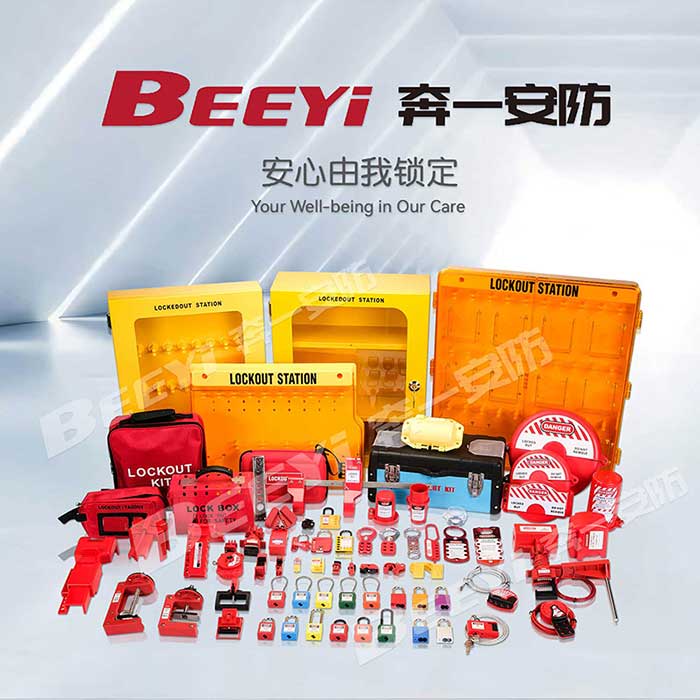
What are Safety Lockout Padlocks? Safety lockout padlocks are specialized locks used to secure machinery or electrical devices to ensure that they cannot be operated while under maintenance or repair. These padlocks come in various designs but generally consist of durable materials like high-strength plastic or metal to withstand harsh environmental conditions. They are most commonly found in factories, power plants, construction sites, and any workplace where machinery operates under high voltage, pressure, or potentially hazardous conditions. These padlocks are part of a larger safety process known as the Lockout/Tagout (LOTO) system, which involves physically locking and tagging energy sources to prevent the unexpected release of hazardous energy. The use of a safety lockout padlock ensures that only authorized personnel can access or modify the equipment, thereby minimizing the risk of injury.