In industrial settings, ensuring the safety of workers during maintenance operations is of paramount importance. One of the most effective ways to achieve this is through the use of Safety Lockout Kits. These kits provide a systematic method to control hazardous energy and prevent accidental machine startups or releases of energy that could jeopardize the safety of technicians and operators. This article serves as a comprehensive guide to the installation and effective use of Safety Lockout Kits.
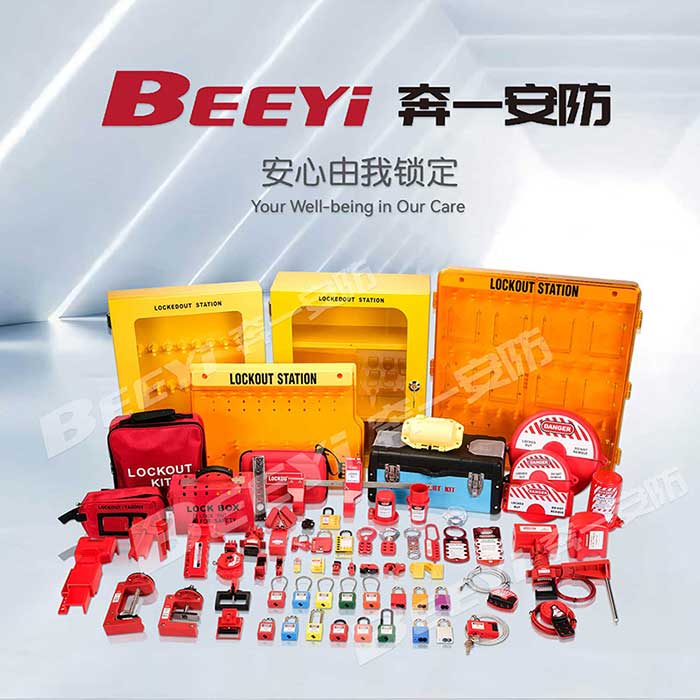
Understanding the Importance of Safety Lockout Kits Safety Lockout Kits are designed to lock energy sources, preventing the auto-start of machinery while servicing or performing maintenance work. The kits may include various locks, tags, and devices tailored for different machines and setups. Proper use of lockout/tagout (LOTO) procedures safeguards employees by ensuring that machines remain inactive until maintenance is complete and that unauthorized personnel cannot access potentially dangerous equipment. Step 1: Assessing Equipment and Risks The initial step in the installation process involves identifying equipment that requires lockout protection. Conducting a risk assessment allows workers to recognize potential hazards associated with each piece of machinery. During this phase, it’s essential to understand the different energy sources, such as electrical, mechanical, hydraulic, thermal, and pneumatic systems, that may pose risks during maintenance.