In today’s fast-paced industrial environment, safety is of paramount importance. One of the most critical aspects of workplace safety is preventing accidental machinery startup or the release of hazardous energy during maintenance or repair operations. This is where Safety Lockout Kits come into play. Manufactured by specialized factories, these kits are designed to ensure the safety of workers by locking out energy sources to equipment, preventing accidents that can lead to injuries or fatalities. This article explores the importance of Safety Lockout Kits, their components, and the role of factories in producing these essential tools for industrial safety.
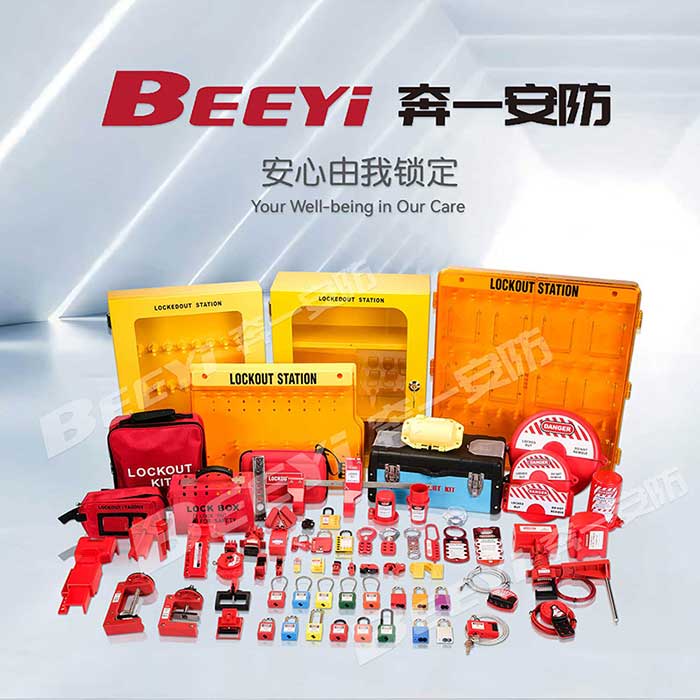
What are Safety Lockout Kits? Safety Lockout Kits are a collection of devices used to isolate machinery or equipment from its energy source. This is a critical practice for industries where machines or systems are powered by electrical, mechanical, hydraulic, or pneumatic sources. These kits are part of the Lockout/Tagout (LOTO) procedures, which are regulatory requirements in many countries to ensure worker safety during the servicing and maintenance of machinery. The primary purpose of a Safety Lockout Kit is to prevent machines from being accidentally activated while maintenance is being performed. When the energy source to a machine is locked out, it is impossible for the machine to start, thus protecting workers from potential accidents.