Safety in industrial and commercial workplaces is critical, especially when dealing with complex machinery and equipment. One of the most effective ways to prevent accidents during maintenance or repair work is through the use of Safety Lockout Kits. These kits are integral to a safety procedure known as Lockout/Tagout (LOTO), which involves isolating hazardous energy sources to protect workers from injury or death. In this article, we will explore the application of Safety Lockout Kits, how they contribute to workplace safety, and their importance in preventing accidents.
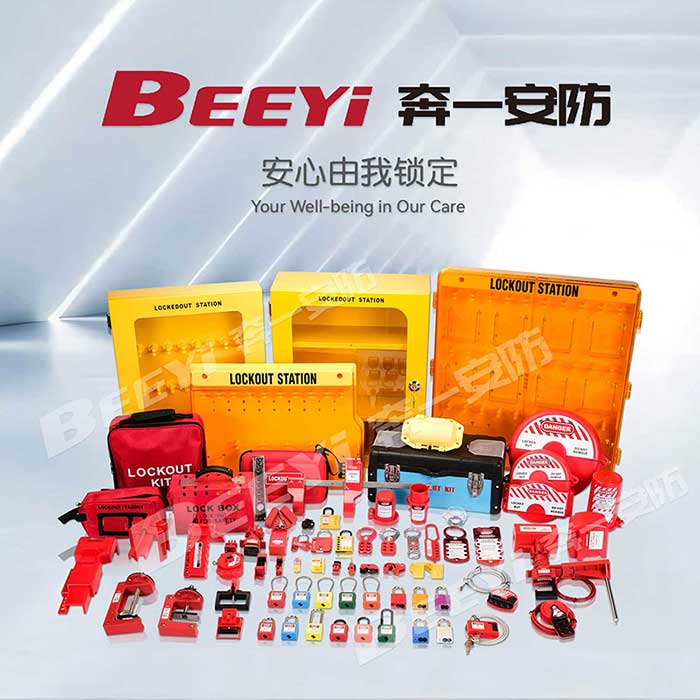
What is a Safety Lockout Kit? A Safety Lockout Kit is a collection of tools and devices designed to prevent the unexpected release of hazardous energy during maintenance, repair, or servicing activities. The core of the kit includes various lockout devices, padlocks, tags, and hasps that workers use to secure machinery and energy-isolating devices. These components ensure that equipment cannot be activated while maintenance is being carried out, safeguarding workers from mechanical, electrical, hydraulic, or pneumatic hazards. The Importance of Lockout/Tagout Procedures Lockout/Tagout procedures are a critical part of workplace safety, particularly in industries where machines and equipment pose significant risks. According to the Occupational Safety and Health Administration (OSHA), the purpose of LOTO is to “protect workers from the release of hazardous energy while they are servicing or maintaining machines and equipment.”