Reverse osmosis (RO) systems have become an integral part of modern water treatment, purifying everything from drinking water to industrial fluids. One critical component within these systems is the RO solenoid valve, a device that plays a pivotal role in controlling water flow and ensuring the proper functioning of the entire filtration process. This article will explore the purpose, working principle, and benefits of RO solenoid valves, as well as how they contribute to the efficiency and reliability of reverse osmosis systems.
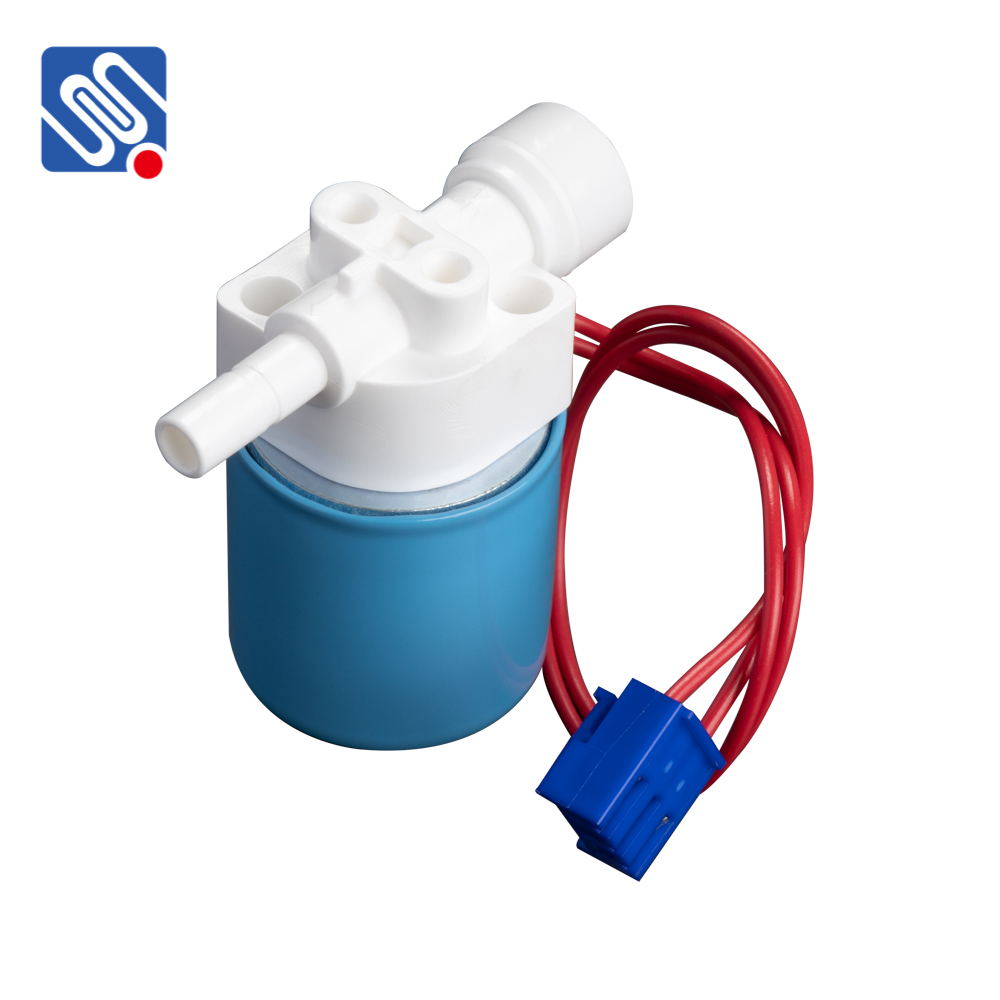
What is an RO Solenoid Valve? An RO solenoid valve is an electrically operated valve used in reverse osmosis water filtration systems to control the flow of water. It operates using a solenoid, a type of electromagnet, which, when energized, pulls or pushes a valve stem to either open or close the valve. The solenoid is activated by an electrical signal sent from the control system, which could be a timer, a sensor, or a microcontroller. The primary function of the RO solenoid valve is to regulate the water supply entering the RO unit, allowing it to automatically shut off or open depending on the water flow requirements. This automation makes the filtration process more efficient and eliminates the need for manual intervention, ensuring a consistent water flow during operation.