In modern automobiles, electrical systems play a pivotal role in ensuring the proper functioning of various components. From controlling headlights to activating the fuel pump, the smooth operation of these systems relies heavily on two important elements: relays and fuses. Though both are integral to the electrical system of a vehicle, they serve very different purposes. Understanding the roles and differences between relays and fuses can help car owners maintain their vehicles’ electrical systems more effectively and prevent costly repairs.
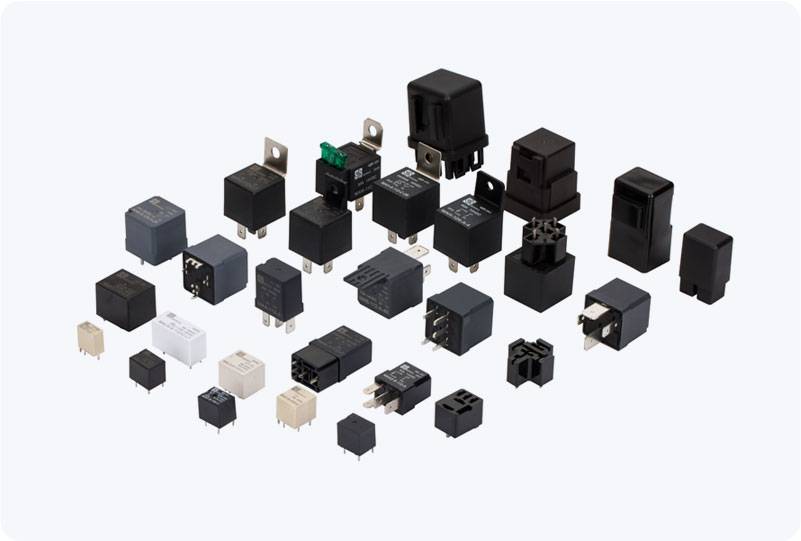
What is a Relay? A relay is an electrically operated switch that allows a small electrical current to control a larger current. It is used to activate or deactivate high-power components within the vehicle’s electrical system. The basic structure of a relay includes a coil, an armature, and contact points. When a small current flows through the coil, it creates a magnetic field that moves the armature and closes or opens the contact points, thus allowing or interrupting the flow of current to the high-power device. Relays are commonly used in automobiles to control components such as the headlights, horns, fuel pump, and fans. For example, when the car’s ignition is turned on, a relay may activate the fuel pump, ensuring that the engine receives fuel. This allows high-power components to be controlled by low-power signals, making it much easier and safer to operate various electrical devices within the vehicle.