In modern automobiles, electrical systems play a crucial role in the performance and functionality of various components. From the ignition system to the entertainment unit, the reliability of electrical systems is paramount. Two fundamental components that contribute to the efficiency and safety of these systems are relays and fuses. Understanding the differences between relays and fuses in cars is essential for anyone interested in automotive electronics or for car owners who wish to maintain their vehicles efficiently.
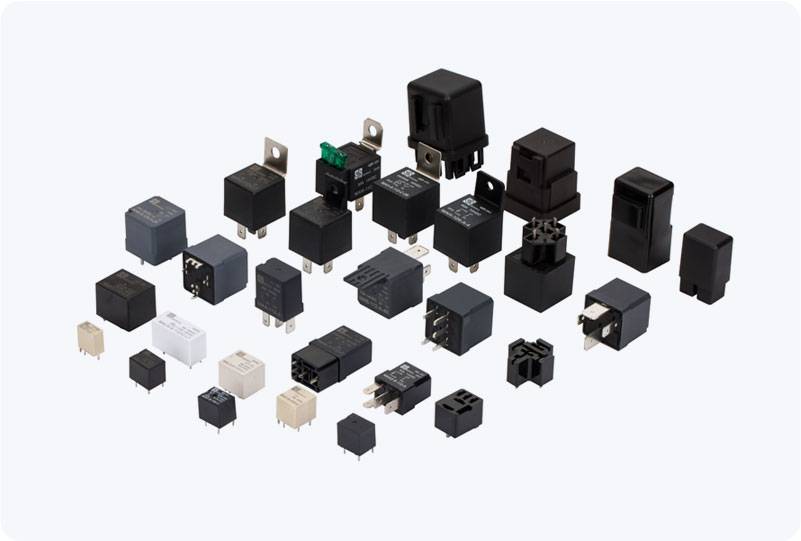
What is a Relay? A relay is an electromechanical switch that is activated by an electrical current. It consists of an electromagnetic coil and a set of contacts. When electricity flows through the coil, it generates a magnetic field that attracts a movable armature, causing the contacts to either open or close. This mechanism allows a low-power circuit to control a high-power circuit, effectively using a small amount of electricity to manage larger loads. Functions of Relays Power Control: Relays are primarily used to switch high-current circuits on and off without needing a large switch. For example, a vehicle’s headlights can be controlled by a relay, allowing a small switch on the dashboard to manage the quite demanding load of the headlights.