In today’s automotive world, understanding the electrical system is crucial for maintenance and troubleshooting. Among the myriad of components that make up a car’s electrical architecture, relays and fuses play pivotal roles in ensuring vehicles operate safely and efficiently. While they might seem similar at first glance—both being integral to the electrical system—their functions are fundamentally different. This article delves into the distinct roles of relays and fuses in cars, highlighting their differences, applications, and the importance of each.
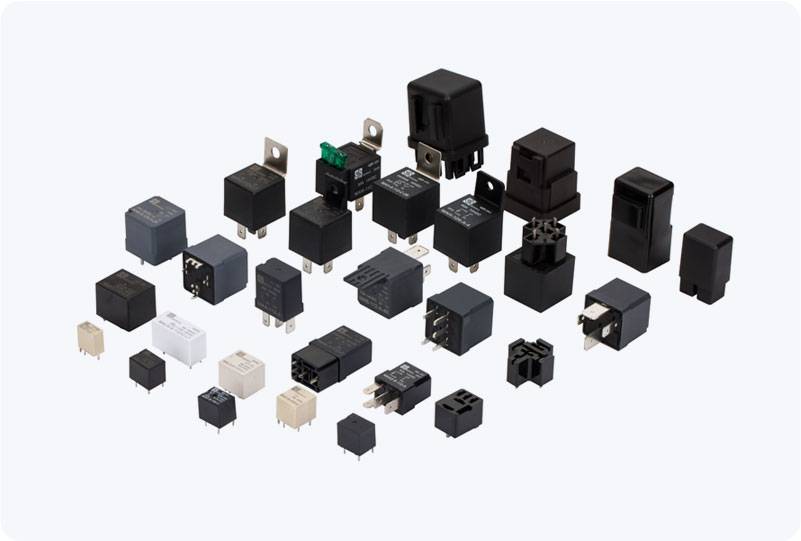
What is a Relay? A relay is an electromechanical switch that allows you to control a large amount of electrical current with a smaller one. It consists of an electromagnet, a set of contacts, and a spring. When a voltage is applied to the electromagnet, it generates a magnetic field that pulls the armature, which either opens or closes the circuit connected to the contacts. This system enables a relay to serve various functions, such as switching on high-powered devices like headlights, starters, or fuel pumps, without requiring the entire current to flow through the control switch. What is a Fuse?