In modern automobiles, electrical systems play a crucial role in ensuring the proper functioning of various components, such as lighting, air conditioning, and even the engine. Among the many electrical components found in a car, relays and fuses are two of the most important, as they help manage and protect the electrical system. Although both relay and fuse serve vital functions in car circuits, they work in distinct ways. This article will explore the differences between relays and fuses in cars, their individual roles, and how they contribute to the overall safety and efficiency of automotive electrical systems.
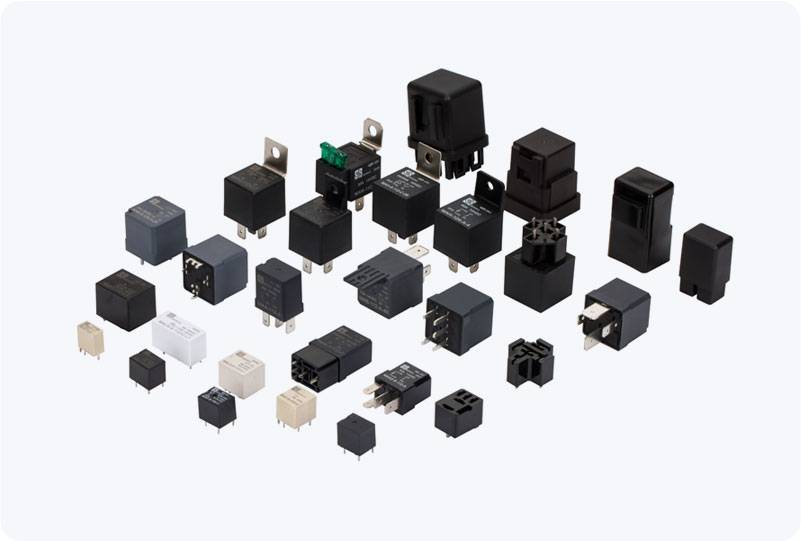
What is a Relay in a Car? A relay is an electrically operated switch that allows a low-power signal to control a high-power circuit. In simpler terms, a relay enables the control of a large electrical current by using a small electrical current. This is especially useful in situations where a high current needs to flow through a circuit, but the control switch cannot handle the load directly. Relays consist of an electromagnet, a set of contacts, and a spring. When current flows through the electromagnet, it creates a magnetic field that pulls the contacts together, completing the circuit and allowing electricity to flow. When the current is turned off, the spring pushes the contacts apart, opening the circuit and stopping the flow of electricity.