When it comes to automotive electrical systems, two crucial components that help ensure proper functioning and safety are relays and fuses. Although they both serve the purpose of controlling electrical flow, they function in vastly different ways. In this article, we’ll explore the essential differences between relay vs fuse in car systems, explaining their roles, how they work, and why they are both indispensable for the operation and safety of modern vehicles.
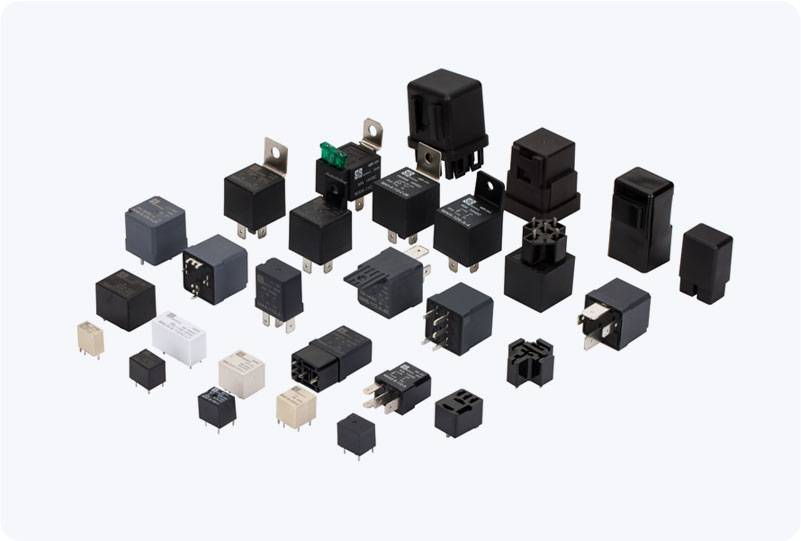
What is a Fuse? A fuse is a simple but vital safety device designed to protect a vehicle’s electrical circuits from overloads and short circuits. Fuses are typically installed in a fuse box, and each one is linked to a specific electrical component or circuit. Their primary purpose is to interrupt the current flow when the electrical current exceeds a certain threshold, effectively preventing potential damage to wires, connectors, or electrical components. Fuses are made from a metal wire or filament that melts when the current flowing through it becomes too high, causing the circuit to break and preventing further damage. Once a fuse blows, it must be replaced with a new one, as it is a one-time-use safety feature.