Relay type selection is a crucial aspect of electrical engineering, ensuring that automation and control systems function effectively and reliably. The correct choice of a relay can significantly impact the overall performance of a system, its longevity, and its ability to manage various loads and environmental conditions. In this article, we will explore the essential factors to consider when selecting a relay for your application.
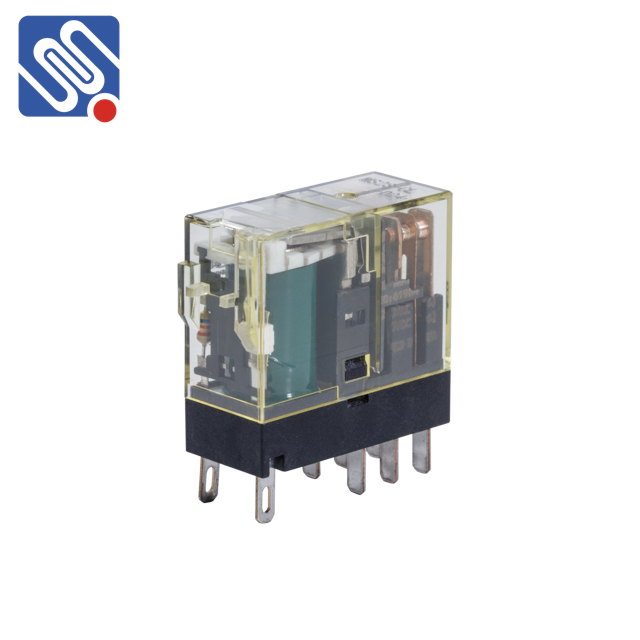
1. Voltage and Current Ratings The most fundamental aspect of relay selection is ensuring that the relay’s voltage and current ratings match the requirements of the application. A relay is typically rated for both its control circuit voltage (the voltage needed to operate the relay coil) and the contact voltage and current (the voltage and current that the relay contacts will handle when switching). It’s critical to ensure that the relay can handle both the operating conditions and the expected load without damage. Over-specifying the voltage or current can lead to increased cost and size, while under-specifying can result in relay failure.