Relay troubleshooting is a crucial skill for maintaining the reliability of electrical systems. Relays are integral components in various automation, control, and electrical circuits, serving as switches that open or close a circuit in response to an external signal. However, like any electrical component, relays can experience malfunctions. This article outlines the common causes of relay failure and provides practical steps to troubleshoot and resolve issues effectively.
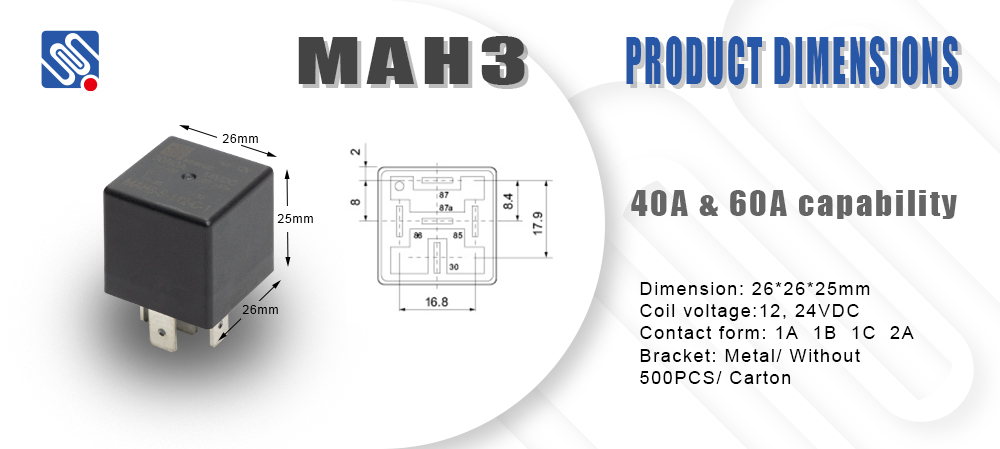
Understanding Relays Before diving into troubleshooting, it’s essential to understand the basic function of a relay. A relay is an electrically operated switch that uses an electromagnet to mechanically operate a set of contacts. These contacts can either open or close depending on the relay’s configuration and the input signal it receives. Relays are used in numerous applications, such as controlling motors, lighting, alarms, and other high-voltage devices from a low-voltage control circuit. Common Relay Issues While relays are designed to last, they are not immune to issues. Several factors can contribute to a malfunctioning relay. The most common problems include: