Relays are essential components in electrical circuits and systems, acting as switches that allow small control signals to control larger loads. Despite their reliability, relays can occasionally malfunction due to various factors, which can lead to circuit failures or unsafe conditions. Understanding how to troubleshoot relay problems effectively is crucial for anyone working with electrical systems. This article provides a comprehensive guide on relay troubleshooting, including common issues, diagnostic techniques, and effective solutions.
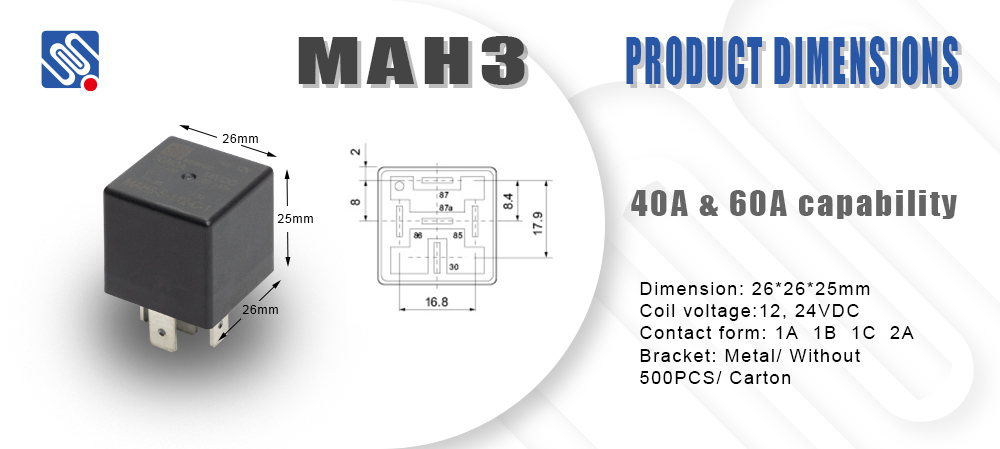
Understanding Relays Before diving into troubleshooting, it is crucial to understand what a relay is and how it works. A relay consists of an electromagnetic coil and one or more sets of contacts. When a current flows through the coil, it generates a magnetic field that attracts a movable armature, closing the contacts. This mechanism allows the relay to complete or interrupt a circuit. Relays are widely used in automation, control systems, and safety applications due to their ability to handle high voltage and current with low input signals. Common Relay Issues No Activation: One of the most common issues encountered is when a relay fails to activate. This can be due to insufficient voltage, a faulty control circuit, or an open coil circuit.