Relay stability plays a crucial role in the proper functioning of control systems, especially in applications where electrical signals are frequently switched or changed. In both industrial and household systems, relays are essential components used to control circuits, manage operations, and protect equipment. However, for a relay to perform its function optimally over time, it must maintain stability despite fluctuations, external disturbances, or repeated switching actions. This article explores the significance of relay stability, the factors that influence it, and the strategies employed to ensure reliable performance in diverse applications.
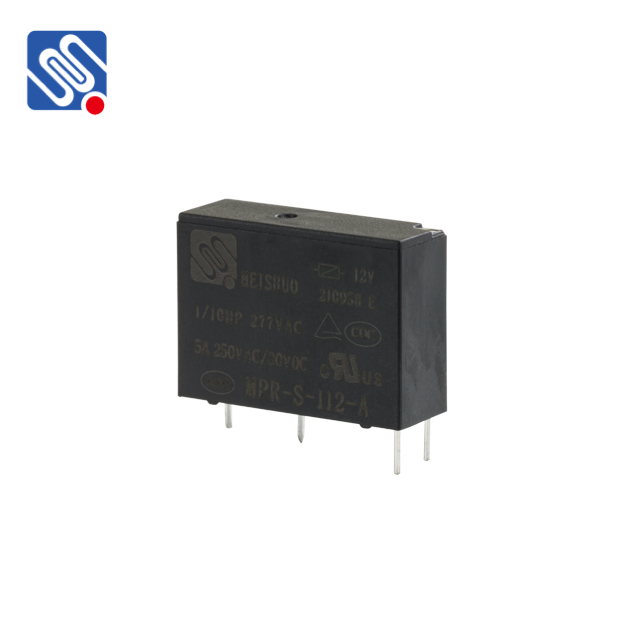
What is Relay Stability? Relay stability refers to the ability of a relay to maintain consistent and reliable switching actions without causing system instability or malfunctioning. When a relay switches between different states—either open or closed—it must do so without causing noise, excessive delays, or unintended consequences that could affect the overall control system. In essence, relay stability ensures that relays operate effectively, even in high-demand environments with frequent cycling or load changes. The Importance of Relay Stability in Control Systems In control systems, relays are often used to activate or deactivate circuits in response to certain conditions. A stable relay ensures that these actions occur without introducing errors or inconsistencies in the system. Here are some key reasons why relay stability is vital: