Relay stability plays a crucial role in the protection and operation of electrical power systems. The primary function of a relay in an electrical network is to detect faults and initiate the tripping of circuit breakers, thereby isolating the faulty section and preventing further damage to the equipment. However, the stability of the relay itself is of utmost importance, as improper operation can lead to either unnecessary disconnections or, worse, a failure to disconnect during actual faults. In this article, we will explore the concept of relay stability, its importance, and the factors that contribute to its successful operation.
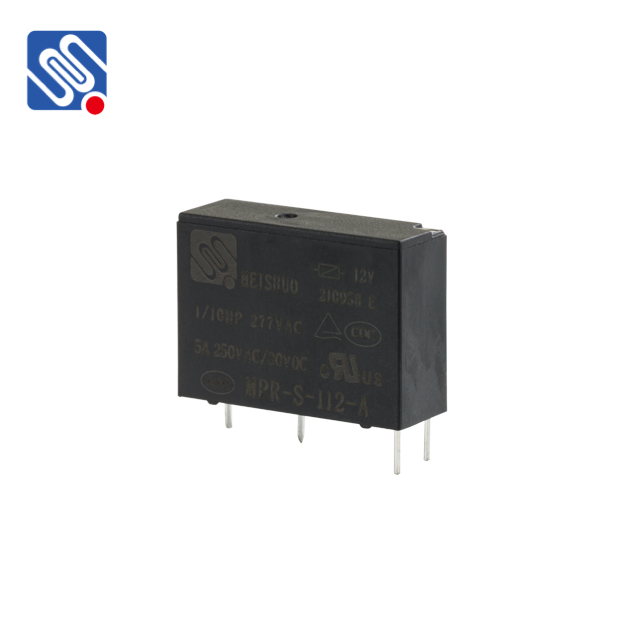
Understanding Relay Stability Relay stability refers to the ability of a protection relay to correctly perform its intended task without being affected by disturbances in the system. A stable relay should be able to differentiate between real fault conditions and non-fault conditions, ensuring that it only operates when necessary. Stability can be broken down into two primary aspects: maloperation (incorrect relay actions) and nonoperation (failure to operate when needed). Maloperation occurs when a relay trips a circuit when it should not, typically due to system transients or disturbances such as voltage spikes, harmonics, or external influences. This is undesirable because unnecessary tripping can cause downtime, operational inefficiencies, and potential damage to equipment.