In an ever-evolving technological landscape, the need for reliable communication and control mechanisms has led to the proliferation of relay systems across various applications. This article aims to provide a comprehensive comparison of relay specifications, focusing on the critical features, performance metrics, and use cases of different types of relays. Understanding these specifications is essential for engineers, designers, and decision-makers when selecting the right relay for specific applications.
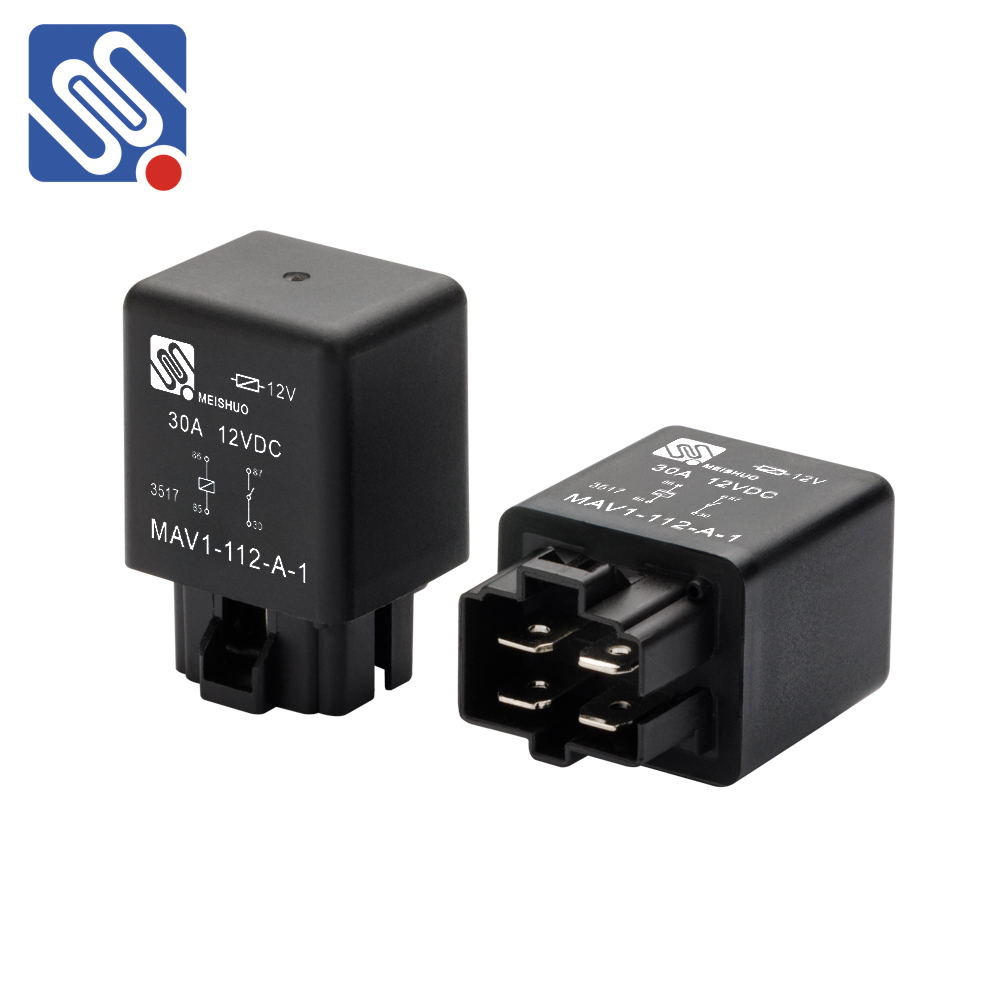
Types of Relays Relays can be broadly classified into two main categories: electromechanical relays (EMRs) and solid-state relays (SSRs). EMRs are traditional devices that use electromagnetic coils to mechanically switch contacts, while SSRs employ semiconductor devices to perform switching actions without any moving parts. Each type has its own set of specifications that may make it more suitable for specific applications. Key Specifications for Comparison Switching Capacity: The switching capacity of a relay determines the maximum load it can handle. This is often specified in terms of current (amperes) and voltage (volts). For instance, a typical EMR might handle 10A at 240V, while an SSR can handle similar loads but often at higher frequencies. Understanding the required capacity for your application is crucial to ensuring reliable operation.