When it comes to electrical control systems, relays play a pivotal role in ensuring efficient operation. A relay is an electromechanical switch used to control high-power devices with a low-power signal. With various types and specifications available in the market, selecting the right relay can be a daunting task. This guide provides insights into key specifications to consider for effective relay specifications comparison.
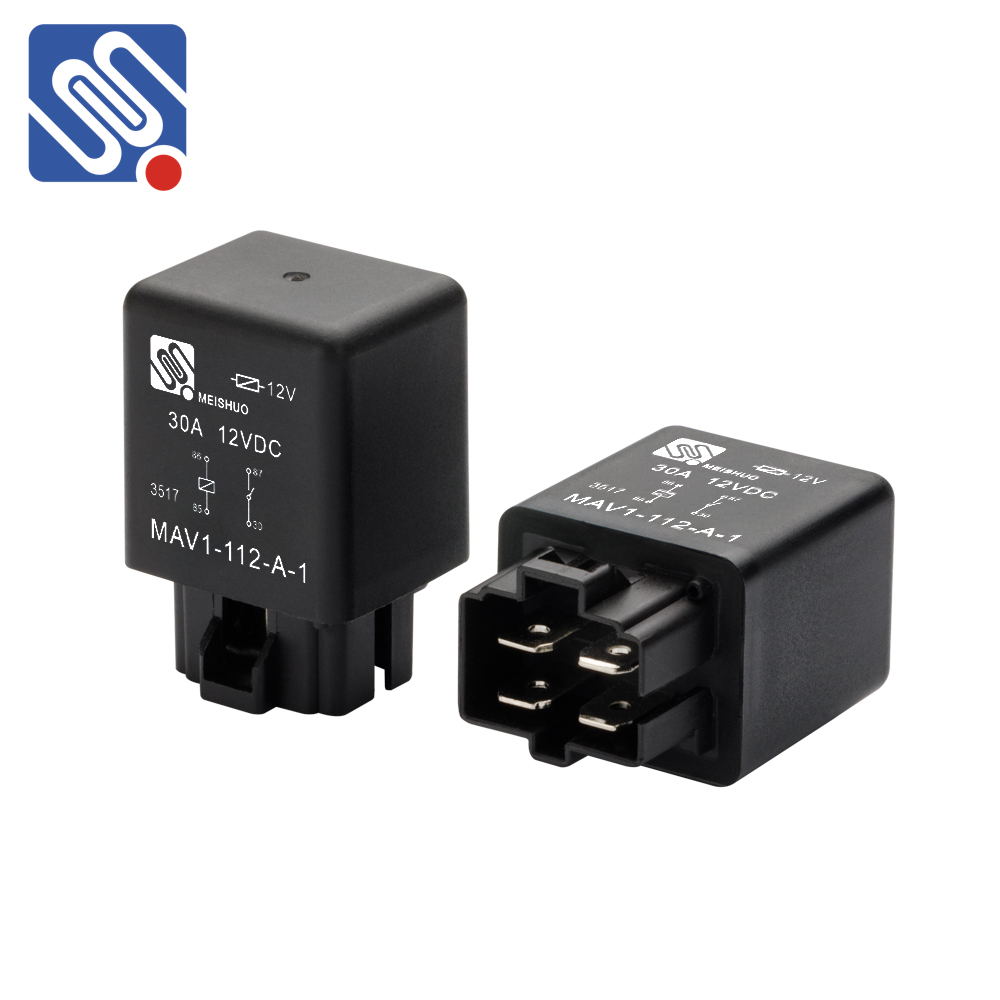
1. Rated Voltage and Current One of the primary factors in relay specifications comparison is the rated voltage and current. Manufacturers typically specify the maximum voltage the relay can safely handle, along with the maximum current it can carry. It’s vital to choose a relay that matches or exceeds the voltage and current requirements of your application. A mismatch can lead to relay failure, overheating, or worse, catastrophic failure in the circuit. 2. Contact Configuration Relay contact configuration includes various types such as Normally Open (NO), Normally Closed (NC), and Changeover contacts (Single Pole Double Throw – SPDT, Double Pole Double Throw – DPDT). In a Normally Open configuration, the circuit is completed when the relay is energized, while in a Normally Closed configuration, the circuit is broken when energized. Analyzing the application requirements helps determine the appropriate contact configuration to suit your system’s needs.